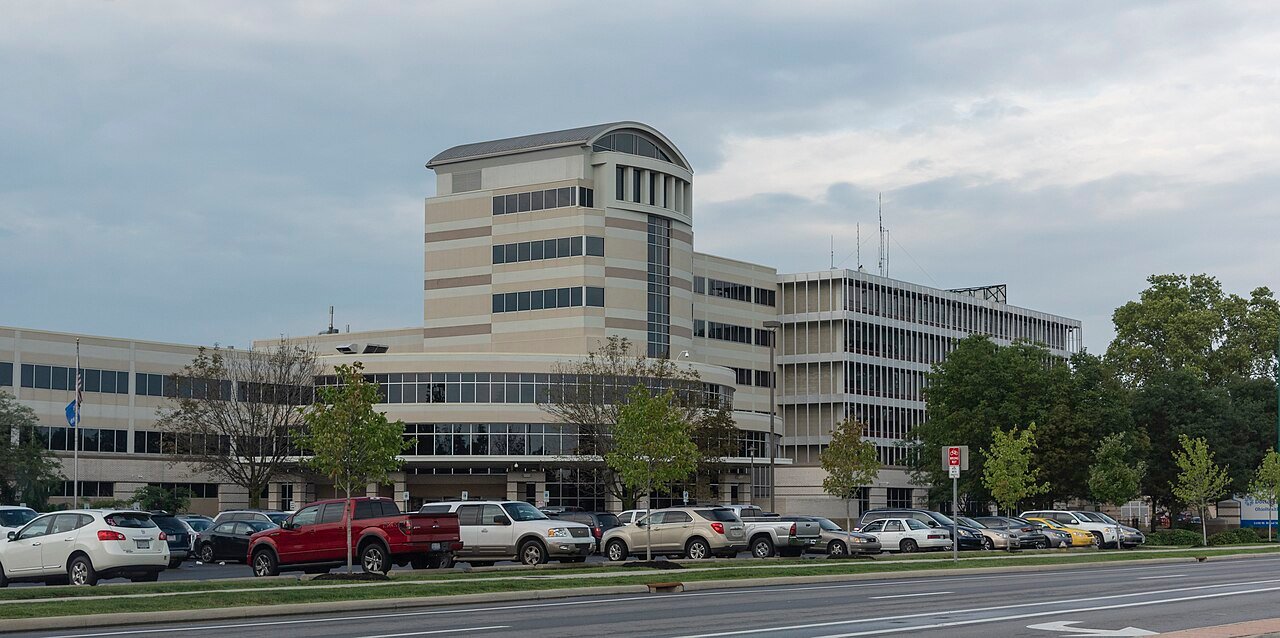
Longgang Central Hospital Shenzhen: Emergency and General Care
Why Older District Hospitals Matter for Foreign Patients in Eastern Shenzhen
When foreign patients look at Shenzhen hospitals, the newest flagship institutions get most of the attention, but the city’s older district hospitals remain central to everyday care. Longgang Central Hospital (深圳市龙岗中心医院), also known as Shenzhen Ninth People’s Hospital, has served eastern Shenzhen since 1952 and is a public comprehensive 3A hospital today. Its long history and district-hub role make it a practical option for residents and visitors in that part of the city. This article covers its departments, advantages, and the visiting steps a foreign patient should understand.
The hospital is described here as an illustration of an established Shenzhen district hospital. It is not an endorsement, and no outcome is promised. Care decisions rest with licensed physicians. For logistics support, our Shenzhen medical escort service can coordinate visits.
About Longgang Central Hospital
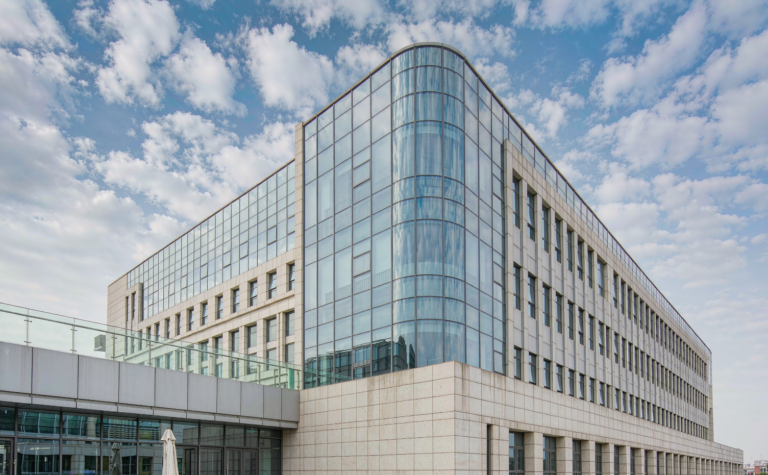
Longgang Central Hospital, also referred to as Shenzhen Ninth People’s Hospital, is a public comprehensive tertiary Grade A (3A) hospital in Longgang District. Established in 1952, it is one of the longer-standing hospitals in eastern Shenzhen and functions as a regional hub for general and emergency care. Its age reflects continuity of service rather than any claim of superiority; many hospitals in the city are newer, and the right choice depends on the patient’s needs and location.
The “3A” label is an administrative tier within China’s public hospital system, indicating scale, staffing, and service scope. It is not a ranking of quality for an individual case. The hospital name appears here as an example of an established district general hospital available to foreign patients.
Key Departments and What They Generally Cover
As a comprehensive district hospital, Longgang Central Hospital provides the broad core services a regional population needs. Its noted strengths are emergency and comprehensive care. In practical terms:
- Emergency department — 24-hour assessment and stabilization for urgent and acute conditions, serving as a hub for the eastern part of the district.
- Internal medicine subspecialties — commonly including cardiology, respiratory, gastroenterology, endocrinology, and neurology, with referral to specialists as needed.
- General and specialty surgery — assessment and operative care across a range of conditions, supported by anesthesia and inpatient wards.
- Diagnostics and support — on-site imaging, laboratory, and pharmacy services that let most investigations happen within the hospital.
These are general descriptions. Department availability and hours change, and foreign patients should confirm the relevant clinic before arriving.
Emergency and Comprehensive Care in Practice
For a foreign visitor, the emergency department is the service most likely to be used without warning. Public hospital emergency rooms in Shenzhen triage by clinical urgency and treat patients regardless of language ability, though a coordinator makes communication easier. Comprehensive care means that beyond emergencies, the hospital can manage a wide range of non-emergency conditions through its medical and surgical departments, which is convenient when several issues need attention.
This article provides no medical advice and guarantees no outcome. In an acute or worsening situation, seek emergency care and let the treating physicians assess you. For planned visits, understanding the hospital’s green-channel and urgent-care pathways in China can help you know what to expect if priority handling becomes necessary.
Internal Medicine and Surgery Coverage in More Detail
To help foreign patients picture the care available, it is useful to look at how a comprehensive district hospital organizes its work. Internal medicine is typically divided into subspecialty clinics, so a patient with a cardiac, respiratory, digestive, or endocrine concern can be directed to the matching physician instead of a single general clinic. Which subspecialties are open on a given day depends on staffing, but the structure is there to route patients to the right expertise. General and specialty surgery covers a range of conditions, supported by on-site imaging and laboratory services that confirm diagnoses before any procedure is considered.
The practical benefit for a visitor is that most ordinary, non-emergency issues can be assessed and frequently managed within the one hospital. When a case needs a capability the hospital lacks, physicians refer onward to a center that has it, which is standard practice in the public system and based on clinical need. This is a general description, not medical advice; your treating physicians decide what is suitable for your situation.
Advantages and Characteristics
Characteristics that may make this hospital a reasonable option for some foreign patients include:
- Established local role — decades of service as a hub for eastern Shenzhen give it broad community coverage.
- Full emergency capacity — a 24-hour emergency department handles acute presentations.
- Comprehensive scope — common medical and surgical needs can be met on one campus.
- Location — convenient for visitors staying in or near Longgang, reducing travel compared with central hospitals.
These points describe general attributes. They are not a claim that this hospital is better than another, and no comparison here should be read as a superlative judgment.
Visiting as a Foreign Patient: Registration, Appointments, and Language
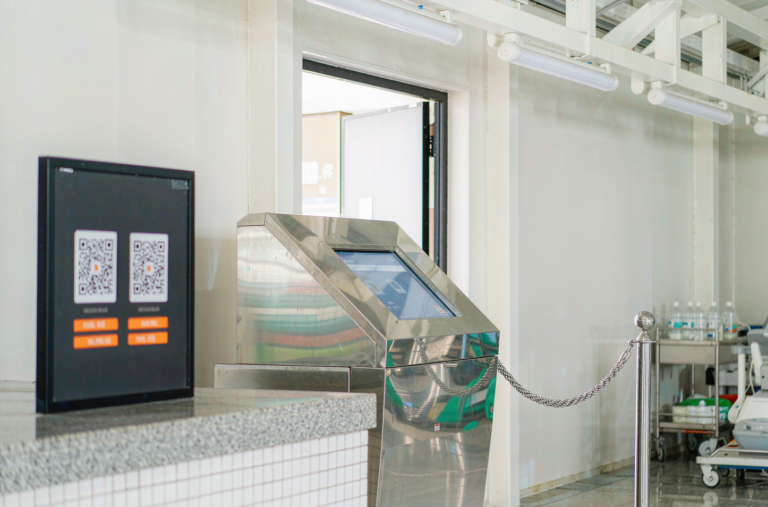
Foreign patients register at Shenzhen public hospitals with a passport. At this hospital, the usual first step is identity registration at the front desk or a self-service kiosk, creating a medical record number used for all subsequent visits. Keeping the passport available at each appointment prevents repeated registration delays.
Appointments generally go through the hospital’s own booking system. For a non-Chinese speaker, the most reliable approach is often a coordinator who books in Chinese and confirms the department, time, and any preparation such as fasting. Our Shenzhen medical escort team can handle booking, passport registration, and accompaniment during consultation, payment, and pharmacy steps.
Language support varies by department and by day. Front-desk and physician English can be limited, so a translated summary of your history and a coordinator at consultations improve accuracy. Outpatient payment is typically settled at the hospital at the time of service; any cost stated is an estimate, and final costs are determined by the hospital. Keep all receipts for insurance reimbursement, and check whether pre-approval is required by your plan.
Frequently Asked Questions
Is Longgang Central Hospital the same as Shenzhen Ninth People’s Hospital?
Yes, the two names refer to the same public comprehensive 3A hospital in Longgang District. The dual naming reflects its administrative history. The hospital is mentioned here as an example of an established district general hospital in Shenzhen.
Does the hospital handle emergencies for foreign patients?
Public hospital emergency departments in Shenzhen assess and treat patients based on clinical urgency regardless of nationality. Language may be a challenge, which is why a coordinator is often arranged. This article gives no medical advice; in a real emergency, seek care at once.
How long has the hospital been operating?
It was established in 1952 and has served eastern Shenzhen since then. Longevity indicates continuity of service, not a ranking of quality. Treatment choices should follow your physician’s assessment of your specific case.
What will a visit cost?
Costs depend on the department, investigations, and treatment. Any amount noted is an estimate only; final costs are determined by the hospital. Ask for a written estimate at registration or before a procedure, and confirm insurance coverage beforehand. You can also begin with a planning conversation.
Related Hospitals in Shenzhen
Foreign patients often compare several hospitals before deciding where to be seen. These Shenzhen 3A hospitals are commonly considered alongside Longgang Central Hospital:
- Longgang District People’s Hospital — A major district general hospital in Longgang with strong emergency and internal medicine.
- Shenzhen Third People’s Hospital — A national-key infectious-disease and liver hospital, also handling hepatobiliary surgery.
- Cancer Hospital Chinese Academy of Medical Sciences Shenzhen — A national-top oncology branch hospital offering radiotherapy and comprehensive cancer care.
Related Reading
Planning care in China? Our comprehensive Medical Tourism in China guide covers visas, costs, top hospitals by city, language support, accommodation near hospitals, and insurance.
A Note on Scope
This article describes how visiting Longgang Central Hospital generally works for foreign patients in China and is provided for general information only. It is not medical advice and is not a guarantee of any hospital’s availability, pricing, or outcomes. Treatment decisions should always be made with licensed physicians. For our general position, see the medical disclaimer.
If you want help coordinating a hospital visit in China, our Shenzhen medical escort team can handle appointment booking, passport registration, and in-hospital accompaniment. Start with a planning conversation.