Health Checkups in China for Foreigners: What to Expect at Shenzhen’s Top Hospitals
Why Foreigners Get Checked in China
A few years ago, a comprehensive executive health checkup in China was something expats did almost by accident, usually because an employer required it. That has changed. Shenzhen and other major cities now run international-standard checkup centers where the equipment, the lab turnaround, and the price are hard to match in many home countries — and the visit can be arranged in days rather than months.
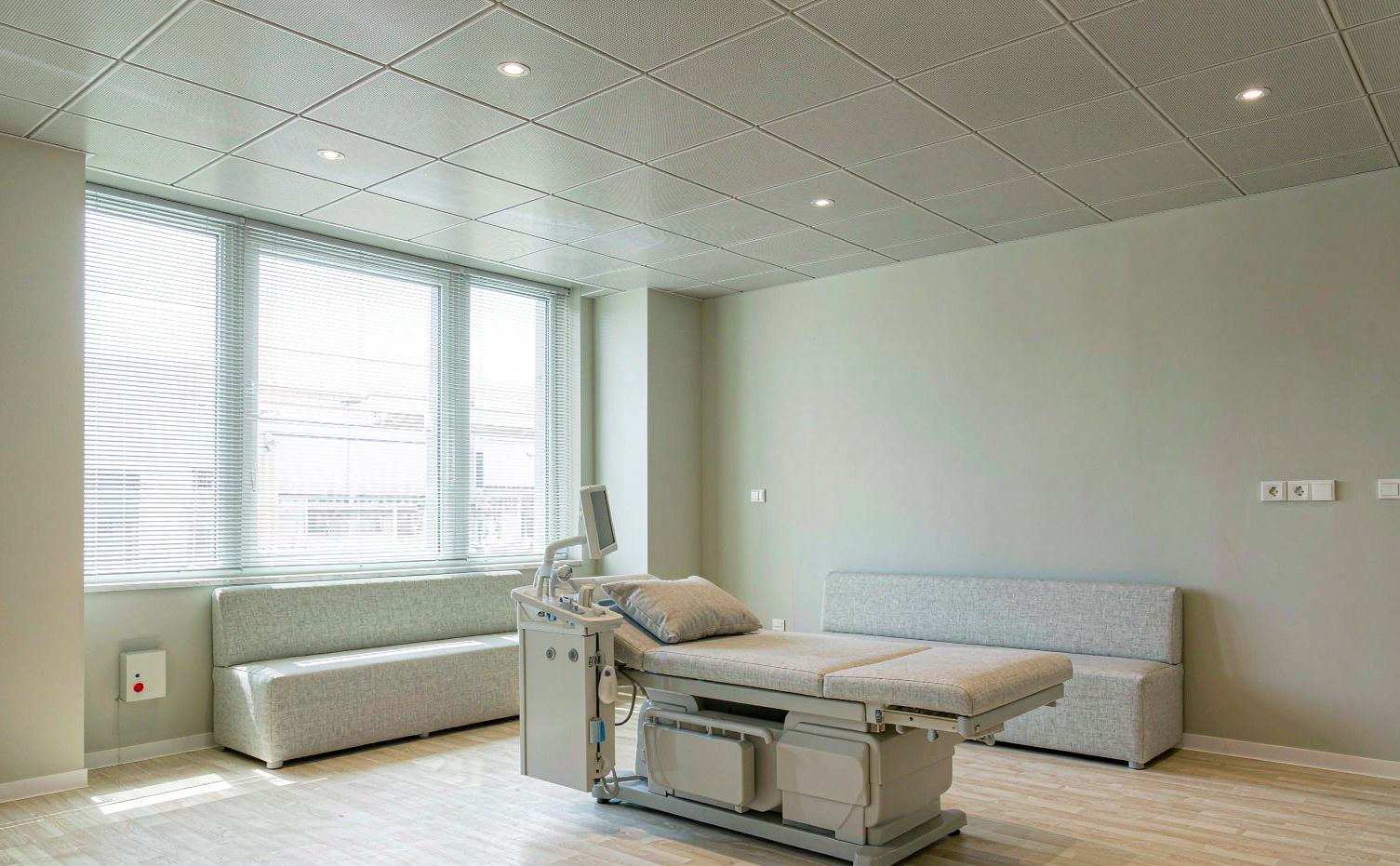
The appeal is not only cost. It is the combination of speed, depth, and access. A thorough checkup that might take several appointments and weeks abroad can often be completed in a single morning at a Shenzhen hospital’s international or VIP health center, with results reviewed by specialists the same week.
This guide walks through what a health checkup in China actually involves for a foreign patient, which Shenzhen hospitals are realistic options, and how to prepare so the day goes smoothly.
What a Comprehensive Checkup Includes
Chinese hospital checkup packages are typically structured as tiers. A standard adult package covers the basics: blood work (including lipids, glucose, liver and kidney function), urinalysis, resting ECG, chest imaging, abdominal ultrasound, and a physician consultation. A more detailed package adds cardiac stress testing, tumor markers, thyroid and carotid ultrasound, bone density, and sometimes low-dose CT or gastroscopy depending on age and risk factors.
The depth is real. A comprehensive health checkup at a Shenzhen tertiary hospital can run twenty to thirty distinct tests in one visit. The trade-off is that you need someone to help you move between the blood draw, the imaging suite, the consultation room, and the report desk — which is where a medical escort earns their place even on a non-treatment day.
Shenzhen Hospitals That Run International Checkups
Two Shenzhen facilities are the standard starting points for foreign patients who want an English-supported checkup.
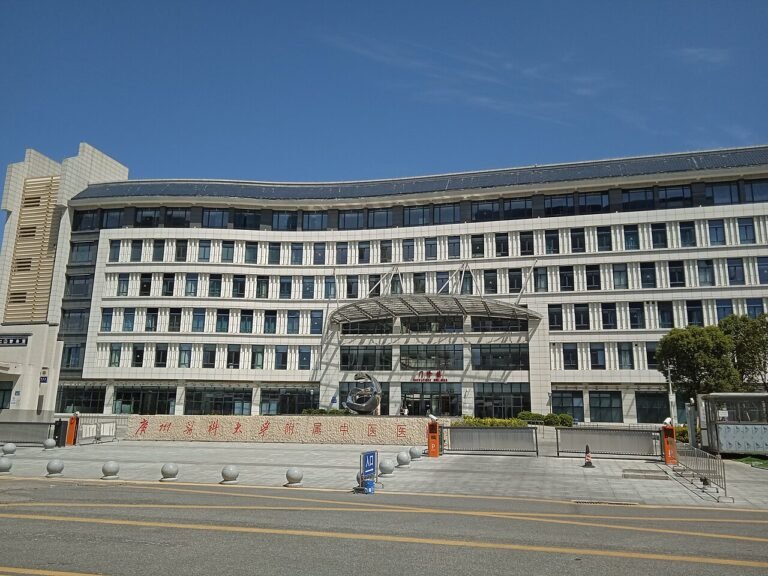
Peking University Shenzhen Hospital operates an International & VIP Health Center on the sixth floor of its outpatient building. It offers advanced checkups, VIP health management, and remote multidisciplinary review, with a multilingual volunteer team of more than 80 members. The University of Hong Kong–Shenzhen Hospital runs an International Medical Center with health assessments built to international standards and clinical governance modeled on Hong Kong practice.
Both accept foreign passports for registration, but the booking path, the documents required, and the report language vary. Some centers issue an English report by default; others produce a Chinese report that then needs translation. Confirming this before you book avoids a surprise on the day.
How the Day Actually Runs
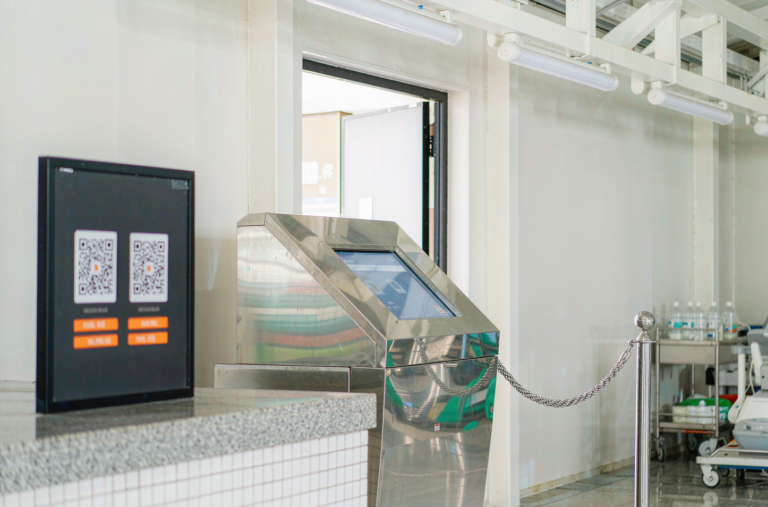
Most checkups follow a fixed sequence. You arrive fasting, complete registration with your passport, and move through a circuit of stations — blood collection, measurements, imaging, and consultations — tracked on a schedule. At a well-run center the path is efficient; at a busy public hospital it can involve more waiting between stations, especially for imaging that is shared with outpatient demand.
If you do not read Chinese, two things help. First, a written plan of the station order for the day. Second, someone who can confirm with each desk that you are at the right place and that the next step is confirmed. Small mismatches — a missing form, a test that needs separate payment first — are the usual causes of a checkup running long, and they are almost all preventable with preparation.
Preparing for a Checkup in China
A short checklist makes the difference between a smooth morning and a repeat visit:
- Bring your passport and, if relevant, your local contact number or the coordinator’s number for registration.
- Fast for 8–12 hours if your package includes blood glucose or lipid testing; water is usually fine.
- Carry a list of current medications and any allergies in writing, in English and Chinese if possible.
- Bring prior reports from home if you want the physician to compare — imaging on CD or USB is more useful than printed films.
- Ask in advance whether the report will be in English and how long review takes.
If you are combining the checkup with a specialist visit for a specific concern, tell the coordinator up front. The checkup and the consultation can often be arranged on the same trip, but only if the department and the slot are booked together.
Understanding the Results
The report you receive is a snapshot, not a diagnosis. Abnormal values need a clinician’s interpretation in the context of your history. A responsible checkup center will route flagged results to a physician consultation; if yours does not, arrange one separately rather than reading numbers on your own. For visitors, having the findings translated into a clear English summary — with the original values retained — is what makes the report usable back home or for your insurer.
Checkup vs. Treatment: Keep the Lines Clear
A checkup identifies what to look at next. It does not treat. If a result points to something that needs care, the normal path is a referral into the hospital’s specialist system, which is a different booking flow from the checkup itself. Knowing this in advance stops patients from assuming the checkup day will also resolve a finding — it usually just defines the next step.
Choosing the Right Package
Checkup packages are easy to over- or under-buy. The right size depends on age, family history, and what you already monitor at home. A patient in their thirties with no symptoms and a recent home checkup rarely needs the deepest tier; a patient in their fifties with a family history of cardiac or metabolic disease usually benefits from the added cardiac stress testing and tumor markers. The mistake both ways costs the same kind of time: too little, and you return for a test that could have been done; too much, and you pay for panels a physician would not act on. A coordinator who knows the hospital’s tiers can suggest the fit before you book, which is cheaper than discovering the gap on the day.
Insurance and Payment for Checkups
Payment flow differs sharply between public and private. At a public hospital international or VIP center, expect to pay upfront and claim reimbursement from your insurer afterward, keeping every receipt, invoice, and report in English where possible. Some private international clinics offer direct billing with major insurers, which removes the claim chase but raises the base price. Either way, ask two questions before you commit: is pre-authorization required for the package, and will the report language satisfy your insurer? A checkup whose report your insurer cannot read is a checkup you pay for twice.
Frequently Asked Questions
How long does a comprehensive checkup take in Shenzhen?
A standard package is usually a half-day. A detailed package with cardiac stress testing, endoscopy, or imaging add-ons can run a full day or span two visits. Booking the right package up front prevents returning for a test that could have been done the first time.
Will I get an English report?
At the international and VIP centers, often yes, or an English summary is available. At standard public departments, the report may be Chinese and need translation. Confirm when you book.
Can a checkup be combined with seeing a specialist?
Yes, when planned together. If you have a specific symptom or prior finding, mention it during booking so the consultation is scheduled on the same trip rather than as a separate appointment weeks later.
You may also find our guides on China work visa health certificate, and health insurance for foreigners in China useful when planning care in China.
Related Reading
A Note on Scope
This article is general information about health checkups for foreign patients in China. It is not medical advice and does not replace consultation with a licensed physician. Test availability, report language, and pricing vary by hospital and change over time; confirm current details with the hospital or your coordinator. Our formal position is set out in the medical disclaimer.
To plan a checkup visit in Shenzhen with appointment and in-hospital support, reach out to our coordination team.