Acne Treatment in China for Foreigners: Clinics, Costs, and What to Expect
Acne Treatment in China for Foreigners: A Practical Guide
If you are living in or traveling through China and your skin has started breaking out, you are not short of options. From large public tertiary hospitals in Beijing and Shanghai to international clinics in Shenzhen and Guangzhou, dermatology services are widespread and generally affordable compared with prices in North America or Western Europe. This guide explains how acne care actually works for a foreign patient in China: how to book, what happens at the first visit, which treatments are available, what they cost, and where traditional Chinese medicine fits in. It is written for adults who want clear, realistic expectations rather than promises.
Why Foreign Patients Seek Acne Care in China
Acne does not wait for a convenient moment. A flare-up before a job interview, a persistent cystic spot that has not improved after months of over-the-counter creams, or simply running out of a prescription you were using back home are the three most common reasons foreigners walk into a Chinese dermatology department. The good news is that dermatology is one of the most accessible specialties in the Chinese system. Most tertiary hospitals have a dedicated skin department that sees walk-in and appointed patients five and a half or six days a week.
For expatriates, the main friction is rarely medical. It is administrative and linguistic: understanding how to register, whether you need a referral, how to read a prescription written partly in Chinese, and how to explain your history when you are not fluent in Mandarin. The clinical side is straightforward, and the standard of care in the major city hospitals is comparable to what you would receive in a developed-country outpatient clinic.
How Dermatology Works in Chinese Hospitals
In China, public hospitals are organized by tier. A Grade III Level A hospital, the highest public-hospital tier in China, typically has the most experienced dermatologists and the widest range of equipment, from photodynamic therapy lamps to fractional lasers. If your acne is moderate to severe, or if you have scarring, a top-tier hospital is usually the right first stop. Well-known examples include Peking University First Hospital in Beijing, Huashan Hospital affiliated with Fudan University in Shanghai, and the dermatology departments of major university hospitals in Guangzhou and Shenzhen.
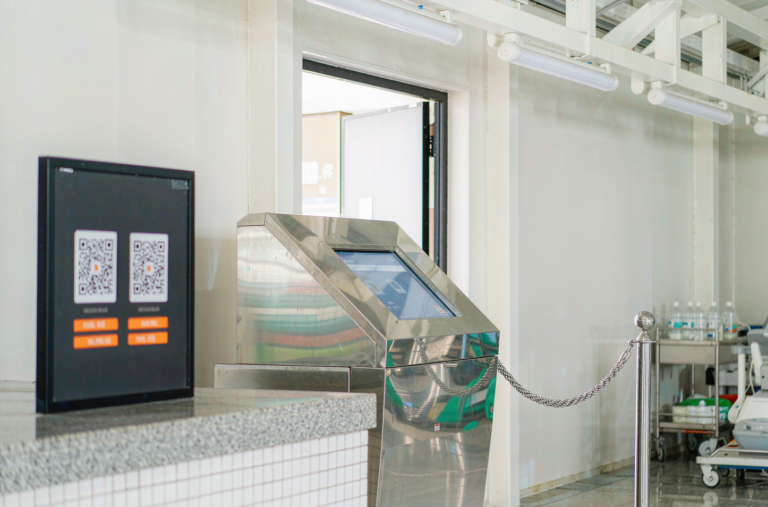
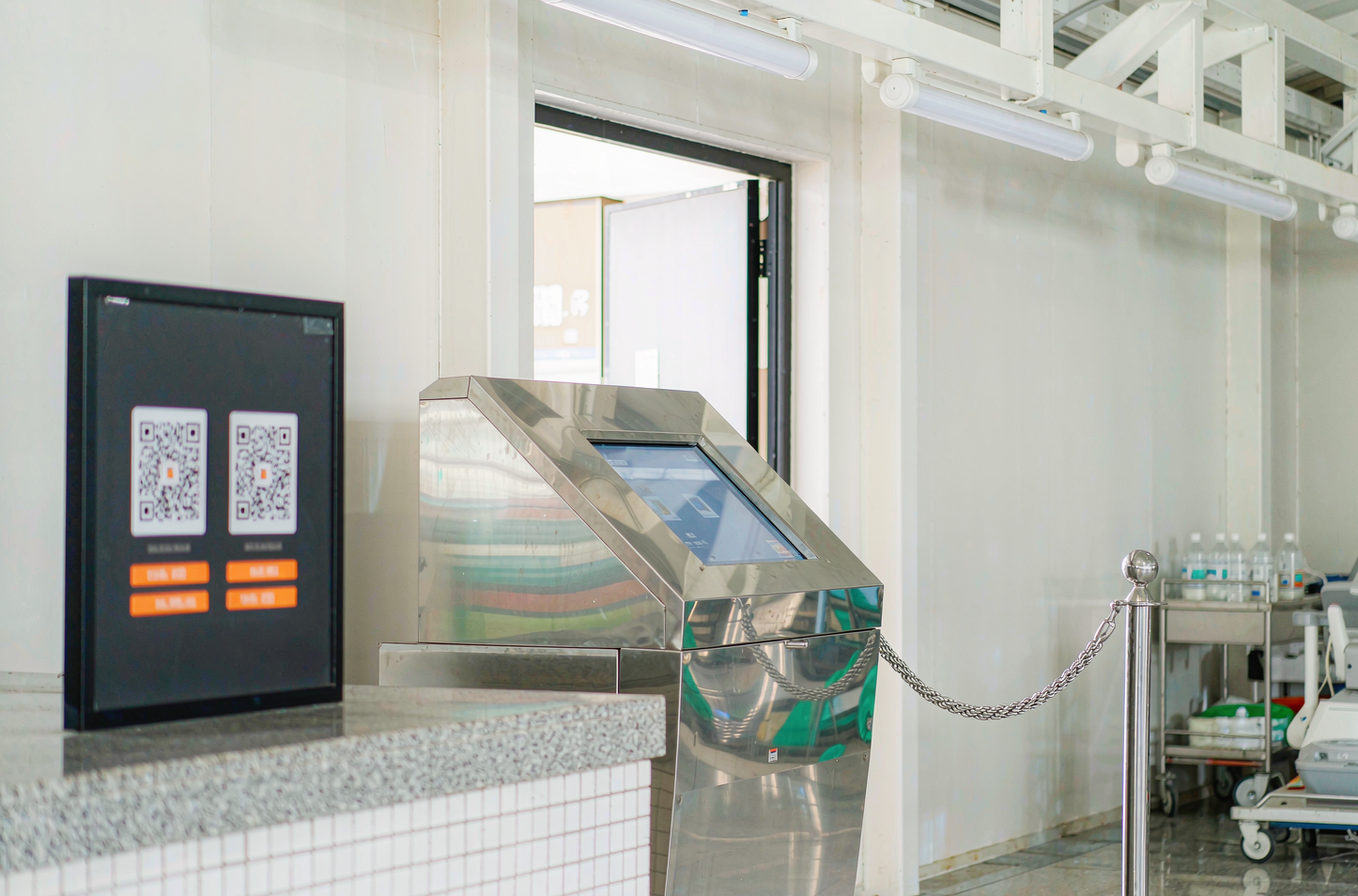
Registration is now almost entirely digital. Most hospitals use a WeChat mini-program or a dedicated app where you select the department, the doctor, and a time slot. As a foreigner you will need your passport to create a medical record card on your first visit. Some international-friendly hospitals also accept a foreign insurance card directly at the front desk, but many public hospitals expect payment up front and reimbursement later. Plan for that reality.
What a First Consultation Looks Like
Expect the visit to move faster than you might be used to. A typical dermatology consult in a busy public hospital lasts ten to twenty minutes, not forty-five. The doctor will look at your skin, ask about duration, previous treatments, and any medications you take, and then usually write a prescription on the spot. Bring a list of what you have already tried, including the exact names, because “a cream from the pharmacy” is not enough information for a precise plan.
No fasting is required for an acne consultation. Blood tests are not routine unless the doctor suspects a hormonal cause, in which case they may order a few panels. If you are female and have irregular periods alongside severe acne, a hormone work-up is a reasonable step and is offered in the endocrinology or gynecology clinics within the same hospital. Photography of the affected areas is often taken for the chart; you can ask that it not be shared outside your record.
Common Acne Treatments Available
Chinese dermatology departments offer the same evidence-based toolkit you would find internationally, often at a fraction of the price. The plan depends on severity, which doctors usually grade on a mild-to-severe scale.
Topical treatments
For mild acne, expect topical retinoids (such as tretinoin or adapalene), benzoyl peroxide, and topical antibiotics like clindamycin. These are sold in hospital pharmacies and in licensed retail pharmacies. A doctor will usually explain how to phase them in to reduce irritation, because starting everything at full strength at once is a common cause of red, angry skin.
Oral medications
Moderate to severe inflammatory acne is frequently treated with oral antibiotics for a defined course, often doxycycline or minocycline, under supervision. For severe nodular acne, isotretinoin is available in China and is prescribed following the same cautious monitoring approach used elsewhere, including baseline checks and periodic follow-up. It is a prescription drug here, not an over-the-counter product, and you should not expect to buy a long course without medical oversight.
In-clinic procedures
Many departments perform chemical peels, comedone extraction, blue-light or red-light therapy, and photodynamic therapy for stubborn lesions. These are done in the clinic and are priced per session. They are supportive, not magic, and work best combined with a home routine rather than as a one-off fix.
Acne Scar Treatment in China
Scars are where the equipment gap between China and higher-cost countries disappears entirely. Fractional CO2 lasers, microneedling radiofrequency, and pulsed-dye lasers are standard in major city dermatology and medical aesthetics departments. A course of laser sessions for atrophic scars typically runs across several months, because spacing treatments out is part of the safety protocol for pigmented and sensitive skin. Results vary by skin type and scar depth, and no clinic should promise full removal. Improvement, not erasure, is the honest expectation.
If you are considering scar treatment, ask specifically about post-inflammatory hyperpigmentation, which is more common in deeper skin tones and which some laser settings can worsen if not handled carefully. An experienced operator will adjust parameters accordingly.
Traditional Chinese Medicine Approaches
Traditional Chinese medicine (TCM) is integrated into many hospitals alongside conventional dermatology, and some patients explore it for acne. Approaches may include herbal washes, internal herbal formulations, and acupuncture. We mention this because it is genuinely part of the care landscape here, and you can read more about traditional Chinese medicine for foreigners before deciding. Be clear on one point: TCM is a complementary option, not a substitute for evidence-based acne treatment, and you should not stop prescribed medication on the basis of an unverified claim. Reputable practitioners will say the same.
Understanding the Costs
Prices below are typical ranges observed in major city hospitals and international clinics as of recent years. They are estimates only — final costs are determined by the hospital.
- Registration and consultation at a public tertiary hospital: roughly 20 to 100 RMB for the visit itself, more for a senior specialist.
- Topical prescriptions for one month: roughly 50 to 200 RMB.
- Oral antibiotics course: roughly 40 to 150 RMB.
- Isotretinoin course under supervision: roughly 100 to 300 RMB per month plus follow-up blood work.
- Chemical peel per session: roughly 200 to 600 RMB.
- Blue or red light therapy per session: roughly 100 to 300 RMB.
- Fractional laser for scars per session: roughly 800 to 3,000 RMB, varying widely by city and device.
International clinics charge several times these amounts but often provide longer consultations in English. Neither path is wrong; they serve different needs. Keep every receipt, because if your travel or employer insurance covers outpatient dermatology, you will need itemized documents in English or with a translation.
Language, Records, and Getting Help
The single biggest stress-reducer is having your history in writing and having someone who can bridge the language gap. Many patients prepare a one-page summary: current medications, known allergies, prior treatments, and the goal of the visit. If your Mandarin is limited, medical translation and interpretation services in China can help before, during, and after the appointment, including translating prescriptions and discharge notes so you know exactly what and how to apply.
Ask the doctor to write the regimen in plain steps: morning, evening, and which products to avoid combining. Retinoids make skin sun-sensitive, so a daily sunscreen is not optional in southern cities where UV is strong most of the year.
How to Choose a Clinic
For straightforward mild acne, a local public hospital dermatology department is fast and inexpensive. For severe, scarring, or treatment-resistant acne, choose a Grade III A hospital with a subspecialty acne or laser clinic, and look for doctors whose profiles list dermatology as their focus. If you want the entire visit in English with insurance billing support, an international clinic is worth the premium. The broader picture of dermatology and skin care in China covers how departments are structured and what to prepare so your first visit is productive rather than confusing.
Two practical notes. First, bring your passport every time; the medical record card is tied to it. Second, do not buy isotretinoin or antibiotics from informal sources. A prescription from a licensed physician protects you from counterfeit or wrongly dosed products.
Frequently Asked Questions
Can I get the same acne medication I used back home?
Often yes, but not automatically. Bring the exact product name and strength. The doctor may prescribe the local equivalent or a different but equivalent option. For controlled oral medications, expect a fresh assessment rather than a refill based on memory.
Do I need a referral to see a dermatologist?
For public hospitals, usually no referral is required to book a dermatology appointment directly. International clinics are walk-in by nature. Referrals matter more if you want to route through a primary-care doctor for insurance documentation.
How long before I see improvement?
Topical regimens commonly take eight to twelve weeks to show meaningful change, which matches the skin’s turnover cycle. Laser scar work shows gradual change across multiple sessions. Anyone promising clear skin in days is overselling.
Is acne treatment safe during pregnancy?
Several standard acne drugs, including oral retinoids and some antibiotics, are not appropriate during pregnancy. Tell the doctor immediately if you are pregnant or planning to become pregnant so the plan stays within safe options.
Planning care in China? Our comprehensive Medical Tourism in China guide covers visas, costs, top hospitals by city, language support, accommodation near hospitals, and insurance.
A Note on Scope and Affiliation
This article is for general information and does not constitute individual medical advice. Treatment decisions should be made with a licensed physician after a proper examination. The author, Karl Huang, serves as technical director at Tianyou Medical Research Institute and as a consultant at Zhongankanghua Clinic; these affiliations are disclosed for transparency and do not alter the general, non-promotional nature of this guidance. For the formal medical disclaimer that applies to this site, see our Medical Disclaimer, and for our content standards and conflicts policy, see our Editorial Policy. Cost figures are estimates only — final costs are determined by the hospital.