Allergic Rhinitis Treatment in China for Foreigners: Clinics, Medicines and What to Expect
Allergic Rhinitis Treatment in China for Foreigners: A Practical Guide
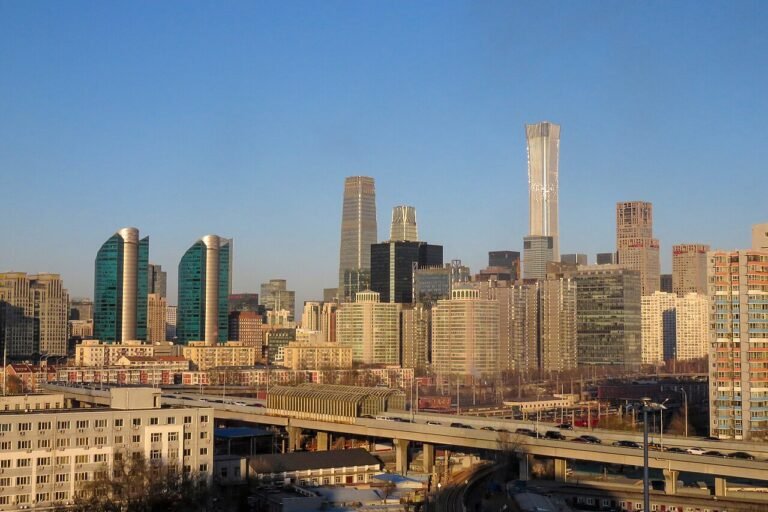
If you have just landed in Beijing, Shanghai, Shenzhen, or any of China’s fast-growing inland cities, the sudden onset of a stuffy nose, relentless sneezing, and itchy eyes can feel like a cold that never ends. In most cases it is not a cold at all. It is allergic rhinitis, and expats, students, and business travelers are among the people most likely to meet it for the first time here. Pollen calendars are different from what you may know in Europe or North America, indoor dust mite loads are high in humid southern apartments, and the spring and autumn wind carries plant pollen across thousands of kilometers of plains.
This guide walks through how allergic rhinitis treatment in China actually works for a foreign patient: how local ENT (ear, nose, and throat) departments diagnose it, what medications and therapies you can access, what a visit costs, and how to keep your care continuous if you are only in the country for a few weeks. It is written for readers who plan to seek care inside China, not as a substitute for a consultation with a licensed physician.
Why Rhinitis Hits Hard for New Arrivals in China
Allergic rhinitis is an immune response to airborne allergens. In China the common triggers line up with the climate and the calendar. In northern cities such as Beijing, Tianjin, and Shijiazhuang, spring tree pollen and autumn weed pollen (especially artemisia, which thrives across the north China plain) drive two clear peak seasons. In southern and coastal cities such as Guangzhou, Shenzhen, and Xiamen, year-round warmth keeps dust mites and mold active, so symptoms are often perennial rather than seasonal.
Air quality swings add a second layer. On high-particle days, even people without a formal allergy diagnosis report nasal irritation, and those with established rhinitis find their symptoms worsen. The practical result is that many foreigners book their first ENT appointment within their first six months in the country, often during a season they did not expect to be allergic in.
The good news is that the condition is well recognized across China’s hospital system. Tertiary Grade A hospitals in every provincial capital run dedicated otolaryngology (ENT) departments, and the diagnostic and treatment toolkit is essentially the same as you would find in a Western clinic: allergen identification, antihistamine and intranasal steroid therapy, and where appropriate, long-term immunotherapy.
How Clinics in China Diagnose Allergic Rhinitis
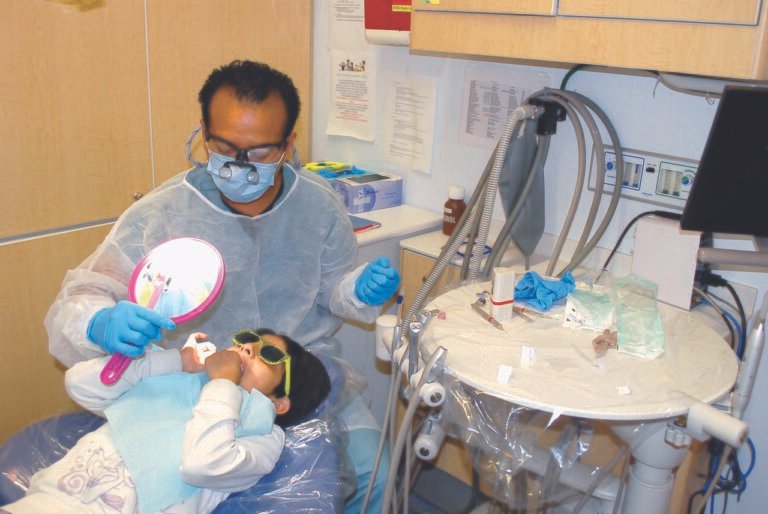
A standard work-up at a public hospital ENT department or an international clinic starts with a clinical history. The doctor will ask when symptoms appear, whether they are seasonal or year-round, and whether they respond to antihistamine tablets. Expect a short nasal examination, frequently with a nasal endoscope, a thin lit tube that lets the physician view the nasal mucosa directly. A typical endoscopy visit takes five to ten minutes and is performed in the consulting room.
To identify the trigger, two routes are common. A skin prick test places tiny drops of standardized allergen extracts on the forearm and measures the skin reaction after fifteen minutes. It is fast and inexpensive, but it has to be done when you have not taken antihistamine tablets for several days. The alternative is a specific IgE blood test, which measures allergy antibodies in a blood sample and can be done regardless of medication use. Many hospitals offer panels covering regional pollens, dust mite, animal dander, and common food allergens.
If symptoms suggest a sinus infection alongside the allergy, the doctor may order a sinus CT scan. This is not routine for uncomplicated rhinitis, but it is available in the radiology department of any tertiary hospital. The National Health Commission publishes clinical pathways that local hospitals follow, so the sequence of history, examination, allergy testing, and imaging when indicated is consistent from one city to another.
Treatment Options You Can Access
First-line care in China follows international practice. Oral antihistamines such as loratadine and cetirizine are sold over the counter in pharmacies and are inexpensive. Intranasal corticosteroid sprays, including mometasone furoate and fluticasone, are the most effective daily controller for persistent symptoms and are widely available, though some strengths require a prescription. Leukotriene receptor antagonists such as montelukast are used in selected cases, often when asthma coexists.
Saline nasal irrigation with a squeeze bottle or neti pot is recommended across guidelines and is cheap to maintain at home. Short courses of oral decongestants can relieve a blocked nose for travel or sleep, but clinicians warn against using them for more than a few days because of rebound congestion.
For people whose symptoms are severe and predictable by season, allergen immunotherapy, sometimes called desensitization, is offered at major ENT and allergy centers. It works by giving gradually increasing doses of the identified allergen, usually by subcutaneous injection over three to five years, to retrain the immune response. It is a long commitment and is only started after clear testing, but it is a recognized option in China’s leading hospitals. Traditional Chinese medicine preparations are also commonly discussed; some patients use them as a complementary measure, but they should not replace a prescribed controller therapy, and no single preparation should be assumed to cure the condition.
Where to Get Care: ENT Departments and International Clinics
The backbone of care is the otolaryngology department of a public tertiary hospital. In Beijing, facilities such as Peking Union Medical College Hospital and major university hospitals run well-staffed ENT services. In Shanghai, Renji and Zhongshan affiliated hospitals are common choices. In Shenzhen, Peking University Shenzhen Hospital and the Shenzhen People’s Hospital both operate ENT clinics with English-capable staff in international patient offices. Registration is done at the hospital counter or through the hospital’s mini-program, and a general outpatient slot is usually the entry point before any specialty testing.
If you prefer a private setting with same-day English service, international clinics in first-tier cities charge more but shorten waiting times and handle prescription refills and letters for your home clinician. Either route is legitimate. The difference is mostly cost, language support, and speed rather than the medications themselves, which are the same NMPA-approved products.
When you are deciding where to go, it helps to understand how Chinese hospitals organize outpatient care, because the registration, triage, and payment flow is different from a walk-in Western GP visit and is worth knowing before your first morning there.
What It Costs (And What Insurance May Cover)
Public hospital prices are low by international standards. A standard ENT outpatient registration fee at a tertiary hospital commonly falls in the range of 20 to 50 yuan, while a specialist or international-patient registration may run higher. A skin prick test often lands between 200 and 600 yuan, and a specific IgE blood panel between 300 and 800 yuan depending on how many allergens are tested. Nasal endoscopy is typically 150 to 400 yuan.
Medication is cheap. A month of generic antihistamine tablets is usually 20 to 100 yuan, and a month of intranasal corticosteroid spray is roughly 40 to 150 yuan. The expensive item is immunotherapy: a full subcutaneous course spread over three to five years can total somewhere in the region of 10,000 to 30,000 yuan, paid incrementally across visits rather than up front.
An international clinic consultation is a different tier, often 600 to 1,500 yuan per visit, and that is where travel or employer insurance matters most. Public hospital outpatient charges are generally paid out of pocket by short-stay visitors unless a specific policy covers overseas treatment. Estimates only — final costs are determined by the hospital. Always ask the registration desk for a printed price list; public hospitals post standard fees.
Bringing Your Medication and Keeping Continuity of Care
If you already use a prescribed nasal spray or antihistamine at home, bring a supply and the original labeled box. Carry prescription medications in their pharmacy packaging rather than loose tablets, and keep a copy of the prescription or a doctor’s letter. China customs allows personal-use quantities of standard allergy medication, but controlled or injectable items should travel with documentation.
Continuity matters most for people on immunotherapy or combination therapy. Bring your allergy test report and a short summary from your home clinician; translating it beforehand avoids repeated testing. If language is a concern during consultations, medical translation and interpretation in China services can sit in on appointments or render your records into English and Chinese so both your local and home doctors read the same findings.
For visitors, the entry question comes up often: there is no dedicated “medical visa” class for routine outpatient care. Foreigners typically receive allergy treatment while present on a tourist, business, or other valid stay permit, and care is billed as a normal outpatient service. Our separate guide on the medical visa in China explains the actual permit categories and why “medical visa” is a misnomer worth understanding before you travel.
Day-to-Day Management While You Live or Travel Here
Much of rhinitis control is environmental. A portable HEPA air purifier in the bedroom reduces dust mite and particulate load, and a mask on high-pollen or high-particle days noticeably cuts symptom spikes during the autumn artemisia season in the north. Rinsing with saline after being outdoors washes pollen off the nasal lining before it triggers a reaction.
Track the local pollen and air-quality index through any of the widely used weather apps; the autumn weed-pollen window in northern China is predictable enough that starting a controller spray one to two weeks before it begins prevents the worst of the flare. In the humid south, controlling indoor humidity below about 50 percent limits mite growth. Keep your prescribed spray refrigerated only if the label says so, and note that many intranasal steroids work best when used daily through the season rather than only on bad days.
If you travel between cities, carry your medication in your hand luggage. Pharmacy brands differ by region, but the international generic names on the box let any pharmacist match your usual product. When symptoms change character, for example a facial pain or colored discharge suggesting sinusitis, return to the ENT department rather than increasing the antihistamine dose on your own.
Frequently Asked Questions
Do I need a special medical visa to see a doctor in China for allergies?
No. China does not maintain a separate “medical visa” category. Foreigners receive outpatient allergy care while lawfully present on a tourist, business, or other valid stay permit, and the visit is billed like any other clinic appointment. The misunderstanding comes from the fact that some patients plan a trip around treatment; the permit they travel on is an ordinary one, not a treatment-specific class.
Can I get the same allergy medications I use back home?
In most cases yes. Loratadine, cetirizine, mometasone, fluticasone, and montelukast are all available in China as NMPA-approved products, though brand names differ. For prescription-strength sprays, a local prescription is required. Bringing your original box helps a pharmacist match the generic name directly.
Is allergen immunotherapy available in China?
Yes, at major ENT and allergy centers in large cities. It is offered after confirmed testing and runs over several years with regular injections, so it suits residents or frequent visitors more than short-term tourists. Discuss whether it is appropriate for your case with the treating physician rather than assuming a fixed course.
How long does a first ENT appointment take?
Budget two to three hours for a public hospital first visit once registration, waiting, examination, and any same-day testing are included. International clinics are usually faster, often under an hour for consultation plus prescription. Test results such as blood IgE may return the same day or within a couple of days depending on the hospital laboratory.
Planning care in China? Our comprehensive Medical Tourism in China guide covers visas, costs, top hospitals by city, language support, accommodation near hospitals, and insurance.
A Note on Scope and Affiliation
This article is informational and does not constitute medical advice, diagnosis, or treatment. Medication names, procedures, and price ranges described here are general; individual care must be decided by a licensed physician after examination. The author, Karl Huang, serves as technical director at Tianyou Medical Research Institute and works as a health management consultant, China medical escort, and advisory expert at Zhong’an Kanghua Clinic. These roles are disclosed for transparency and do not affect the factual descriptions of hospital processes.
Always confirm current guidance with the treating facility. For the site’s position on medical information and liability, read the medical disclaimer, and for how we handle editorial standards and affiliations, see the editorial policy.