Shenzhen Eye Hospital: Ophthalmology for Foreign Patients
Finding Eye Care in Shenzhen as a Foreign Patient
Eye problems have a way of being both common and time-sensitive. A foreign visitor to Shenzhen might need a routine vision check, a referral for cataract evaluation, or urgent attention after an injury. The public hospital system in the city includes a dedicated ophthalmology institution — Shenzhen Eye Hospital — and for someone whose primary need is eye care, a specialty hospital can be a logical place to start. This article explains how such a hospital is organized, what foreign patients should expect, and where the practical friction points are.
As with every guide on this site, treat the following as orientation rather than medical advice. Eye conditions range from trivial to urgent, and only a licensed ophthalmologist who examines you can say what a symptom means. The hospital here is described as an example of a public 3A ophthalmology institution in Shenzhen, not as a recommendation over any other provider.
About Shenzhen Eye Hospital
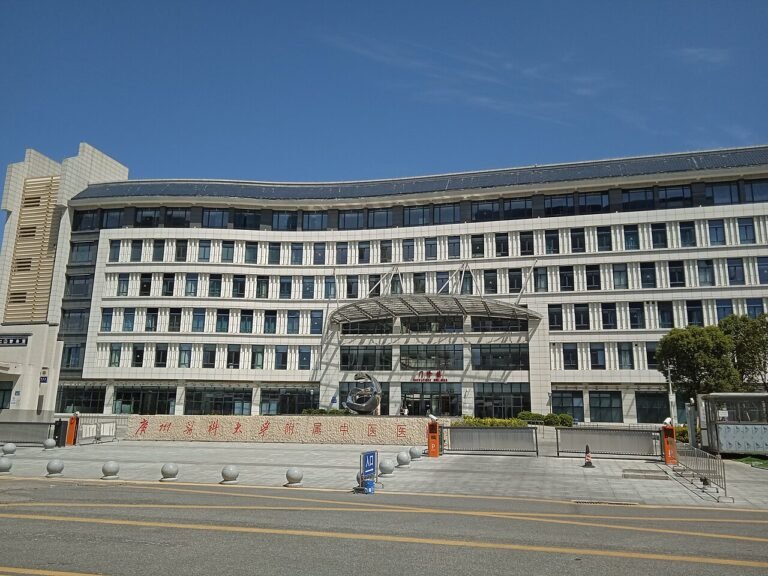
Shenzhen Eye Hospital is a public tertiary Grade A (三级甲等, or 3A) hospital in Futian District that specializes in ophthalmology. Unlike a comprehensive hospital where eye care is one department among many, this institution is built around the eye — its clinics, diagnostic rooms, and surgical suites are all oriented to ocular conditions. For a patient whose concern is specifically vision or eye health, that concentration can be convenient: the equipment used for eye measurement, imaging of the retina, and corrective surgery is all in one place.
The hospital serves both local residents and, in principle, foreign patients who register with a passport. Being a specialty hospital, it is not the place to go for unrelated medical problems; if you arrive needing, for example, management of a chronic condition unrelated to the eyes, a comprehensive hospital would be the more appropriate setting.
Key Departments and What They Cover
Ophthalmology is broader than many people expect, and a dedicated eye hospital usually divides its work into subspecialties. The areas below are described generally so you can match your concern to the right clinic; the exact list of clinics and their availability should be confirmed with the hospital.
- Cataract. Cataract clinics evaluate clouding of the natural lens and discuss management, including surgical lens replacement when appropriate. Cataract surgery is among the most performed procedures in ophthalmology worldwide, but suitability, timing, and lens choice are individual decisions made with the surgeon.
- Glaucoma. This area focuses on conditions where intraocular pressure or other factors damage the optic nerve, often progressing silently. Glaucoma care centers on measurement, monitoring, and treatments aimed at slowing progression rather than reversing damage. Regular review matters because the condition can advance without obvious symptoms.
- Retina. Retinal clinics handle disorders of the light-sensitive tissue at the back of the eye — from detachment to diabetic eye disease and age-related macular changes. Retinal work often depends on detailed imaging, and treatment may involve injections, laser, or vitreoretinal surgery depending on the diagnosis.
- Refractive and LASIK services. For patients interested in reducing dependence on glasses or contact lenses, refractive clinics assess candidacy for laser vision correction. Not everyone is a suitable candidate, and the decision involves corneal measurement and a review of overall eye health.
- Pediatric ophthalmology. Children’s eye care covers amblyopia (“lazy eye”), strabismus (misalignment), refractive errors, and developmental screening. Pediatric assessment often requires different approaches and more time, and a clinic used to children can make the visit smoother.
Why a Dedicated Eye Hospital Is Notable
A specialty eye hospital concentrates experience and instruments on a single organ system. A few points that matter for a visiting foreign patient:
- Diagnostic equipment in one building. Visual field testing, optical coherence tomography, fundus photography, and biometry all sit within the institution, which shortens the path from first complaint to a measured answer.
- Subspecialty depth. Rather than one general ophthalmologist covering everything, a specialty hospital is more likely to route you to a clinician focused on your specific condition — retina, glaucoma, cornea, or pediatric, for example.
- Surgical focus. A hospital whose operating rooms are structured around eye surgery tends to run a high volume of ophthalmic procedures, which shapes its routines for pre-operative assessment and post-operative review.
None of this is a claim that the hospital is superior to others. It is one example of a public 3A eye institution in Shenzhen, and the wider field of ophthalmology and eye care in China includes other capable centers that a patient may wish to compare.
Practical Visiting Information for Foreigners
Public hospital registration in China is built around the national ID. As a foreigner you register with your passport. Practical points:
- Passport registration. Bring your original passport and current visa or residence permit. The hospital issues a patient card linked to your passport number; keep it, because every future visit and prescription is recorded against it.
- Appointment channels. Public hospitals commonly accept appointments through official hospital platforms and on-site windows. Eye hospitals with focused departments may have shorter waits than a giant general hospital, but clinic schedules vary and should be checked before you travel.
- Language. Front-desk and clinical communication is primarily in Mandarin. English is not assured at every point of contact. For a condition where you need to understand examination findings or post-operative instructions, a translator or coordinator reduces the risk of miscommunication.
- International desk. A specialty eye hospital may or may not staff a dedicated foreign-patient desk. It is safer to plan for self-managed registration with support. Our Shenzhen medical escort coordination can handle booking, registration, and accompaniment, which is especially useful if you will be examined with drops that temporarily blur vision and make navigation difficult on your own.
Costs and What to Expect
Ophthalmology visits range from a simple consultation and prescription to imaging and surgery. Public 3A hospitals publish fee schedules, but a dependable total depends on the diagnosis, the tests ordered, and whether surgery or lenses are involved. Any number quoted before examination should be treated as an estimate; final costs are determined by the hospital after your case is reviewed.
If you are travelling to Shenzhen specifically for eye care, review your travel insurance in advance and confirm payment methods accepted at the hospital, which often include cash and UnionPay, with international cards accepted at some windows. For longer treatment stays, a medical visa may be worth exploring.
How a Medical Escort Helps With an Eye Appointment
Eye visits have a particular wrinkle: pupils are frequently dilated with drops, leaving you unable to drive or read a screen clearly for hours. A coordinator who meets you, manages registration, sits in on the consultation, and walks you out afterward removes a real logistical problem. They can also keep a plain-language written summary of the physician’s instructions. To discuss a visit, begin with a planning conversation with our team.
Frequently Asked Questions
Can I go to Shenzhen Eye Hospital for a routine glasses prescription?
A comprehensive eye examination can assess vision and relevant eye health, and a clinic can discuss correction options. Whether a specific prescription or referral is issued depends on the examination findings. The hospital is described here as an example of a public 3A eye institution, and this article is not medical advice.
Do I need to speak Chinese to be seen?
You do not need to speak Chinese to receive care, but language support makes the visit far smoother. Having a coordinator or translator present helps ensure examination results and instructions are understood. Availability of English-speaking staff should be confirmed rather than assumed.
Is LASIK or refractive surgery something I can decide on the first visit?
Refractive surgery requires pre-operative measurement and a candidacy review; it is rarely decided on the spot without assessment. A clinician will explain whether you are a suitable candidate based on corneal and overall eye health. Outcomes cannot be guaranteed, and the decision should be made with the surgeon after full evaluation.
How much does an eye consultation or surgery cost?
Costs vary with the type of visit and any procedure. Public 3A fee schedules exist, but a precise figure depends on your diagnosis and the materials or surgery involved. Treat any pre-visit estimate as indicative only; final costs are determined by the hospital.
Related Hospitals in Shenzhen
Foreign patients often compare several hospitals before deciding where to be seen. These Shenzhen 3A hospitals are commonly considered alongside Shenzhen Eye Hospital:
- Peking University Shenzhen Hospital — A large comprehensive hospital with notable orthopedics, urology, and oncology services.
- The University of Hong Kong–Shenzhen Hospital — A HKU-operated hospital known for package pricing and a foreigner-friendly, bilingual environment.
- Shenzhen Second People’s Hospital — A comprehensive hospital especially recognized for burn care, neurosurgery, and rehabilitation.
Related Reading
A Note on Scope
This article describes how ophthalmology services at Shenzhen Eye Hospital generally work for foreign patients in China and is provided for general information only. It is not medical advice and is not a guarantee of any hospital’s availability, pricing, or outcomes. Treatment decisions should always be made with licensed physicians. For our general position, see the medical disclaimer.
If you want help coordinating a hospital visit in China, our Shenzhen medical escort team can handle appointment booking, passport registration, and in-hospital accompaniment. Start with a planning conversation.