Shenzhen Hospitals for International Patients: What to Expect
Shenzhen Hospitals for International Patients: What to Expect
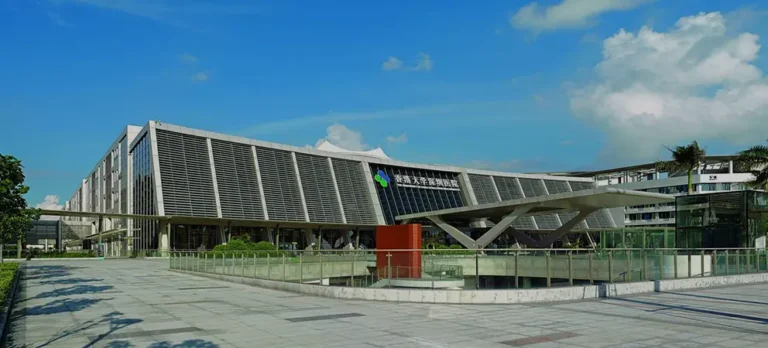
Shenzhen sits on the border with Hong Kong and has built a healthcare infrastructure that punches above its age — the city is barely four decades old but fields several Tier 3 hospitals with modern international departments. For foreign patients in South China, Shenzhen hospitals are often the most efficient entry point: short waits, English-capable staff, and fast imaging. I coordinate inbound care here through Tianyou Medical Research Institute and partner clinics, and this is the on-the-ground picture.
The Hospital Tiers You Will Actually Use
Shenzhen’s public Tier 3 hospitals handle the serious cases — cardiology, oncology, orthopedics, neurology. Their international medical departments wrap those capabilities in English service, private rooms, and insurer billing. Private hospitals and clinics fill the gap for routine and preventive care with even shorter waits. If you are new to the system, our overview of healthcare in China explains the tier logic that applies nationwide, with Shenzhen as a fast-moving example of how quickly a young city can build depth.
Booking and Arrival
Most Shenzhen hospitals support WeChat mini-program booking and phone registration. For international departments, direct contact is simplest: email or call, send a short case summary and passport copy, and request an interpreter if needed. Arrive 30 minutes early on the first visit. Morning slots before 9 a.m. are least crowded even at general outpatient. The city’s metro connects major hospitals, so build commute time into your plan rather than relying on taxis at rush hour, when a ten-kilometer trip can double in duration.
Departments Foreign Patients Use Most
- International medicine clinics for first contact and coordination.
- Cardiology and interventional cardiology at Tier 3 centers.
- Oncology and hematology for second opinions and treatment.
- Orthopedics, spine, and sports medicine.
- Ophthalmology and dentistry for the popular “tourism trio” services.
- Traditional Chinese Medicine departments for acupuncture, herbal medicine, and rehabilitation.
Costs in Shenzhen
Shenzhen follows Guangdong provincial pricing, which is itemized and transparent. An international-department consultation typically runs 300 to 800 RMB, about 40 to 110 USD. Surgical admissions scale with complexity, from tens of thousands to over a hundred thousand RMB. A routine endoscopy might cost a few hundred to low thousands of RMB, while a joint replacement or cardiac procedure sits far higher. Estimates only — final costs are determined by the hospital. Ask for the written estimate that separates professional fees, facility fees, and implants or medication so there are no surprises when the final bill arrives.
Language and Interpretation
International departments staff English speakers, but consent forms and discharge papers may still arrive in Chinese. Request English versions and, for surgery, a professional medical interpreter. Our broader notes on healthcare China access emphasize that translation is a safety step, not a courtesy — Shenzhen is no exception, and a misread dosage instruction is the kind of error that a qualified interpreter prevents before it happens.
Cross-Border Care With Hong Kong
Many patients combine a Hong Kong consultation with Shenzhen treatment, using the frequent border crossings. Shenzhen hospitals are accustomed to this flow and can receive referrals and imaging from Hong Kong providers. If your plan involves both sides, coordinate records transfer in advance and confirm which tests are accepted without repetition, because duplicating a normal scan wastes both money and a day you could spend in treatment.
How Shenzhen Compares to Other Cities
Against Beijing’s academic depth and Shanghai’s insurer networks, Shenzhen’s edge is speed and new infrastructure. For a patient who needs a straightforward procedure with minimal waiting, it is hard to beat. The structural differences across cities are laid out in our Chinese hospitals guide, which is worth reading before you choose a destination city, because the right city for a cardiac case is not always the right city for a rehabilitation stay.
Recovery and Follow-Up in Shenzhen
Shenzhen’s private recovery hotels and rehabilitation centers are well developed, and the city’s mild winter makes it comfortable for post-surgical stays. Arrange follow-up imaging before you book the return flight, and keep the international department’s contact for any late questions. Many patients do a final check at the international department two to three days before departure so that a clean report travels with them.
Shenzhen’s Strong Departments
Several Shenzhen institutions stand out in specific fields. Cardiovascular and interventional cardiology draw patients from across the region because of short waiting times for stent and rhythm procedures. Orthopedics and sports medicine benefit from the city’s younger, active population and modern operating theaters. Oncology centers handle both treatment and second opinions with current protocols. Traditional Chinese Medicine rehabilitation is popular for post-surgical recovery, combining acupuncture and therapeutic exercise. When you choose a hospital, ask which department carries the most weekly volume for your condition — volume correlates with familiarity, and familiarity reduces avoidable complications.
Getting There and Where to Stay
Shenzhen is served by its own airport and is a short crossing from Hong Kong International Airport, which often has better global connections. The city metro reaches most hospitals, and ride-hailing apps work reliably once you set them to English. For stays, international departments can recommend nearby serviced apartments or recovery hotels suited to post-surgical rest. Book accommodation within 30 minutes of the hospital, because daily follow-up visits are common in the first week after discharge and a long commute adds avoidable strain during recovery.
Paying and Claiming in Shenzhen
The prepaid-card model is standard: top up at a kiosk, let each service deduct, settle at discharge, and collect the fapiao. International departments also accept major cards. If your insurer direct-bills, confirm the arrangement in writing before admission so the hospital codes the claim correctly. If you pay first, photograph the fapiao and itemized bill the day you receive them, and request an English summary of the diagnosis and procedure for your home physician. Shenzhen’s efficiency extends to paperwork when you ask for it explicitly, so the bottleneck is almost always the patient’s request, not the hospital’s capability.
Frequently Asked Questions
Do Shenzhen hospitals accept foreign insurance?
Several international departments have direct-billing agreements with global insurers; others require pay-first-claim-later. Confirm with both the hospital and your insurer before admission.
Is Shenzhen safe for major surgery?
Tier 3 hospitals in Shenzhen manage high surgical volumes with modern equipment and accredited protocols. Choose a center with documented experience in your specific procedure.
Can I cross from Hong Kong for treatment?
Yes, many patients do. Border crossings are frequent, and Shenzhen hospitals regularly receive Hong Kong referrals and imaging.
How quickly can I be seen?
For international department consultations, often within days. For surgery requiring pre-admission tests, plan one to two weeks including diagnostics.
After-Hours Care in Shenzhen
Minor problems at night do not require the emergency room if you know your options. International departments often provide after-hours phone lines for existing patients, and several private clinics in expat areas keep evening hours for straightforward issues. For anything urgent — chest pain, severe bleeding, sudden weakness — go straight to a Tier 3 emergency room and dial 120 if needed. A useful habit is to save the international department’s after-hours number and the address of the nearest emergency room into your phone on arrival, so a 2 a.m. problem becomes a known route rather than a panic search.
Specialists Versus Generalists in Shenzhen
Shenzhen’s medical culture leans toward sub-specialization, which suits foreign patients with a defined diagnosis. If you know you need a knee replacement, you can reach the joint surgeon directly through the international department rather than a general orthopedist who refers you on. The trade-off is that vague symptoms with no clear department can mean a few extra steps to find the right door. A practical move is to start at the international clinic, which functions as the generalist gatekeeper and routes you to the correct sub-specialist in one visit. This hybrid — a generalist front door feeding deep specialists — is exactly where Shenzhen’s system is strongest for newcomers.
Shenzhen’s Newer Public Hospitals
Several of Shenzhen’s flagship public hospitals are relatively new builds, which means wider corridors, modern imaging suites, and international departments designed from the start rather than retrofitted. This shows in small ways: clearer signage, better wheelchair access, and wards built around single or double rooms. For a foreign patient, a newer facility often means less navigational friction and more English on the walls. When choosing among Shenzhen options, the age and layout of the building are worth weighing alongside the department’s reputation, because a calm physical environment measurably reduces the stress of a hospital stay far from home.
Shenzhen’s Transport Links for Patients
Shenzhen is unusually easy to reach for a medical trip. Its own airport connects across China and to parts of Asia, and Hong Kong International Airport is a cross-border bus or ferry away with far more global routes. The high-speed rail links Shenzhen to Guangzhou in under half an hour and to other major cities within a day, which helps if your care is split between cities. For a patient with limited mobility, pre-arranging a wheelchair at either airport and a door-to-door transfer removes the hardest part of travel day, and Shenzhen’s compact layout keeps hospital commutes short once you arrive.
Planning care in China? Our comprehensive Medical Tourism in China guide covers visas, costs, top hospitals by city, language support, accommodation near hospitals, and insurance.
A Note on Scope and Affiliation
This article is informational and does not constitute medical advice or a guarantee of any outcome. Karl Huang is affiliated with Tianyou Medical Research Institute and Zhong’an Kanghua Clinic; this is disclosed per our editorial policy. Review our full medical disclaimer and editorial policy.