The Seventh Affiliated Hospital of Sun Yat-sen University Shenzhen
Choosing a Large Comprehensive Hospital in Shenzhen: What the Seventh Affiliated Hospital of Sun Yat-sen University Offers
Foreign patients often assume that a bigger, newer hospital is automatically the right choice, but “comprehensive” means something specific in China’s hospital system. A comprehensive tertiary Grade A (三级甲等 / 3A) hospital handles adults and children across most specialties, runs its own emergency and intensive care, and supports complex procedures. One example frequently cited is The Seventh Affiliated Hospital of Sun Yat-sen University (中山大学附属第七医院), located in Guangming District and opened in 2018. This article explains how such a large comprehensive hospital is organized and what foreign patients should consider before choosing it. It is general information, not medical advice.
About the Hospital: An Example of a New, Large Comprehensive 3A Institution
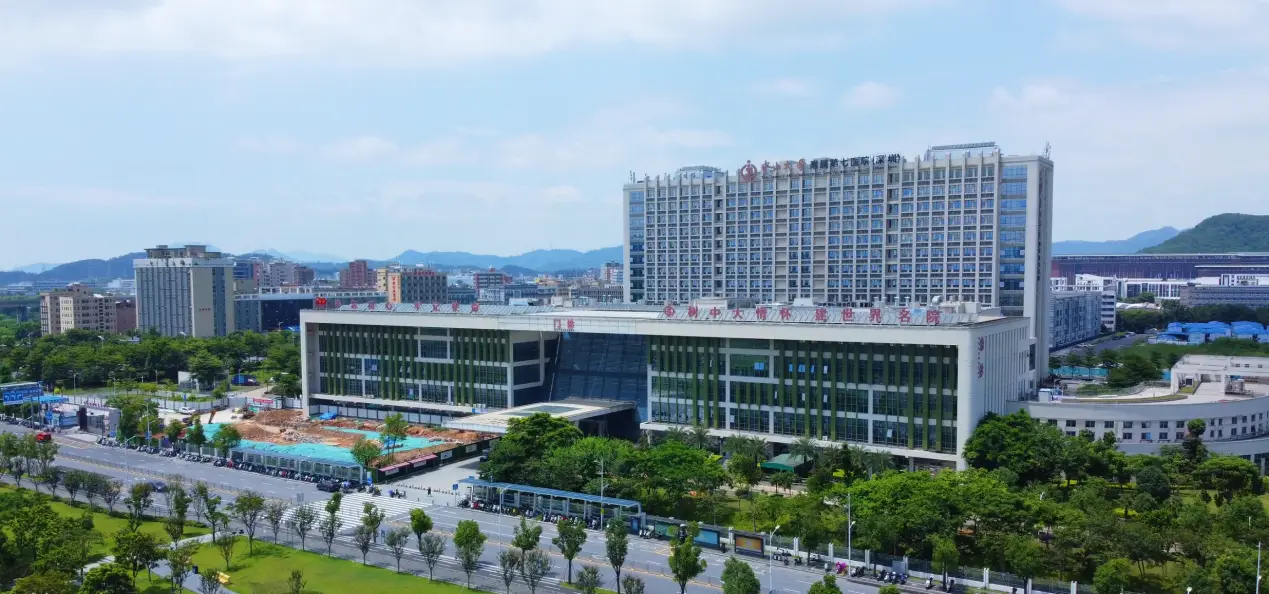
The Seventh Affiliated Hospital of Sun Yat-sen University, written in Chinese as 中山大学附属第七医院, is a public 3A comprehensive hospital affiliated with Sun Yat-sen University. It is mentioned here as an illustration of a large, research-oriented comprehensive hospital in Shenzhen; listing it is not an endorsement, and several other public 3A hospitals serve the city. The hospital opened in 2018 and was planned on a very large scale, with a target of roughly 4,000 beds across its development phases. Planned capacity is not the same as current operating capacity, so patients should confirm present bed availability and services directly with the hospital.
Its university affiliation signals an academic environment where clinical care, teaching, and research intersect. For foreign patients, the practical implication is access to a broad range of departments and to physicians who may be involved in ongoing clinical study—though participation in any research is always a separate, consented decision.
Key Departments and Areas of Strength
- Comprehensive General Care: As a comprehensive hospital, it covers internal medicine, general surgery, emergency, and most standard adult specialties. This breadth means a patient with multiple or unclear issues can often be assessed across departments without leaving the institution.
- Oncology (肿瘤): Cancer-related diagnosis and management are part of the hospital’s scope, drawing on multidisciplinary review. Patients exploring oncology options in Shenzhen may also find our overview of cancer care in China for foreigners useful for context.
- Organ Transplant (器官移植): The hospital lists organ transplant among its strengths. Transplantation is a highly regulated field in China with strict eligibility, ethical, and legal requirements. Foreign patients should not assume transplant is readily accessible; all aspects must comply with Chinese law and hospital policy, and suitability is determined by specialist assessment.
- Cardiovascular (心血管): Heart-related care, from diagnosis to intervention, falls within the hospital’s comprehensive scope. For a focused look at how heart care is structured in the city, see our page on cardiology and heart care in China.
The hospital’s research emphasis means some departments may run clinical trials or specialized programs. Whether any such program fits an individual patient is a decision for the treating physician and the patient together, after full information.
Advantages and Characteristics
The main advantage of a large comprehensive hospital is scope. When a condition spans several systems—say, a cardiac issue complicating cancer treatment—a comprehensive institution can convene the relevant specialists internally. That integration reduces the need to coordinate separately between unrelated facilities.
A second characteristic is scale of supporting services. Large 3A hospitals typically operate advanced imaging, a full laboratory, intensive care, and emergency departments around the clock. For foreign patients who want a single institution to handle both routine and urgent needs, this breadth is reassuring.
A third point is the research environment. University-affiliated hospitals often host continuing medical education and may adopt newer diagnostic approaches. Again, being research-active does not by itself indicate superior outcomes for any individual; treatment decisions remain personal and physician-led.
For Foreign Patients: Registration, Appointments, and Language
Registration at this and other Shenzhen public hospitals begins with a valid passport. You will typically be issued a hospital medical record card (就诊卡) linked to your passport number and presented at each visit. Bring any prior records, imaging, and a medication list with generic names, since a comprehensive hospital will want a full picture before coordinating across departments.
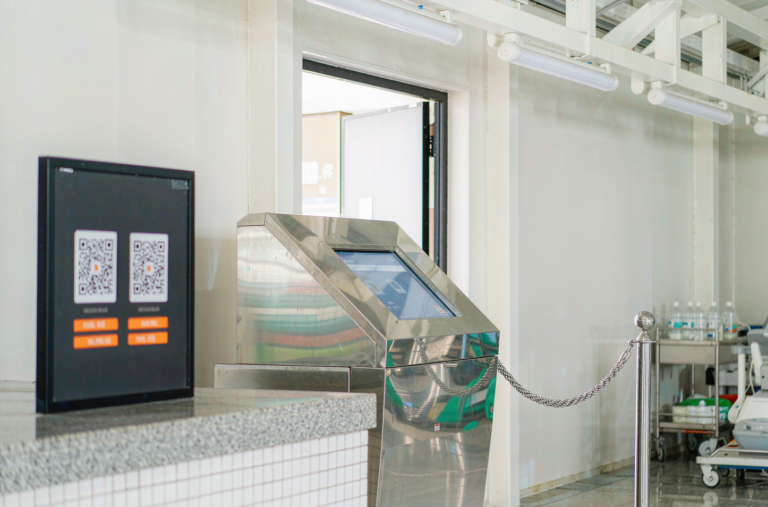
Appointment methods include the hospital’s official WeChat mini-program or app, on-site registration desks, and, where available, an international services window. Foreign visitors without a local phone number or payment setup often start at the on-site desk. Given the hospital’s size, knowing which building or department to enter saves considerable time on the first visit.
Language support varies. Senior physicians are experts in their fields, but not all speak English fluently, and a large comprehensive hospital can feel intimidating to navigate. A written summary of your history and, where helpful, a translator or coordinator are strongly advised. Our Shenzhen medical escort service can handle appointment booking, passport registration, and in-hospital accompaniment, which is especially useful in a sprawling campus where departments are spread across buildings.
Costs for consultations, tests, and admissions are estimates only; final costs are determined by the hospital based on the departments visited, investigations ordered, and your insurance or self-pay status. Comprehensive hospital billing can involve many line items, so request a clear breakdown at the hospital’s billing desk.
Making the Choice: Comprehensive vs. Specialized
A practical question for foreign patients is whether to choose a comprehensive hospital or a specialty hospital (such as a dedicated cancer or cardiac center). The answer depends on the situation. A single, well-defined condition may be served well by a specialty hospital with deep focus, while multiple or intersecting issues may favor a comprehensive institution that can coordinate internally. Neither is universally better; the fit depends on your specific needs, which a physician can help clarify.
Guangming District, where this hospital is located, is some distance from the Futian and Nanshan cores where many foreign visitors stay. Factoring in travel time and how you will return after a procedure is part of realistic planning.
Frequently Asked Questions
Is a newer, larger hospital better for foreign patients?
Not necessarily. Size and newness bring breadth of services and modern facilities, but the right fit depends on your condition, language needs, and location. A large comprehensive hospital suits multi-system or unclear cases; a specialty hospital may suit a defined condition. Discuss your situation with a physician rather than choosing by scale alone.
How do I register as a foreigner at this hospital?
Use a valid passport at the registration desk to receive a hospital medical record card linked to your passport number. Bring prior records and a medication list. If you lack a local phone number or payment setup, the on-site desk is often the simplest entry point. Our medical escort team can assist with this step.
Can foreign patients access organ transplant here?
Organ transplantation in China is strictly regulated, with legal and ethical requirements that all patients must meet. Foreign patients should not assume transplant services are readily available; eligibility and process are determined by the hospital and Chinese law. This article is not a guide to accessing transplant and is not medical advice.
What if I need both cancer and heart care?
A comprehensive hospital can often coordinate oncology and cardiovascular specialists internally through multidisciplinary review. Whether such coordination applies to your case is for the treating team to determine after assessment. See our pages on cancer care and heart care for background.
Related Hospitals in Shenzhen
Foreign patients often compare several hospitals before deciding where to be seen. These Shenzhen 3A hospitals are commonly considered alongside The Seventh Affiliated Hospital of Sun Yat-sen University:
- Shenzhen People’s Hospital — Shenzhen’s first 3A hospital, with broad strengths in cardiology, hepatobiliary surgery, and oncology.
- Shenzhen Polytechnic University General Hospital — A public comprehensive hospital with notable stomatology and oncology services.
- Peking University Shenzhen Hospital — A large comprehensive hospital with notable orthopedics, urology, and oncology services.
Related Reading
Planning care in China? Our comprehensive Medical Tourism in China guide covers visas, costs, top hospitals by city, language support, accommodation near hospitals, and insurance.
A Note on Scope
This article describes how seeking care at The Seventh Affiliated Hospital of Sun Yat-sen University Shenzhen generally works for foreign patients in China and is provided for general information only. It is not medical advice and is not a guarantee of any hospital’s availability, pricing, or outcomes. Treatment decisions should always be made with licensed physicians. For our general position, see the medical disclaimer.
If you want help coordinating a hospital visit in China, our Shenzhen medical escort team can handle appointment booking, passport registration, and in-hospital accompaniment. Start with a planning conversation.