Where to Stay in Nanjing: Areas, Prices and Booking Tips for Medical Visitors
The practical question for anyone arranging treatment in China is not which hotel is nicest. It is which one keeps the hospital a short, predictable trip away and lets you rest properly between appointments. This guide works through Where to Stay in Nanjing — the areas, the realistic price bands and the booking mechanics — then finishes with the details that matter most after a procedure.
From our care-coordinator’s notebook: The central Gulou district puts you within a short ride of most of the city’s teaching hospitals.
The best areas to stay in Nanjing
Choosing the district is the decision that shapes everything else. What follows are the areas visitors consistently find workable, with the trade-offs set out rather than smoothed over.
Gulou and Xinjiekou — the central district beside Drum Tower Hospital. The reason it works is the walk: the hospital is close enough that an early appointment does not begin with a taxi negotiation.
Start with Xuanwu and Zhujiang Road — a northern district with good mid-range value. The trade-off is convenience against noise. The streets nearest a hospital are the busiest, so ask for a room away from the road if you are resting during the day.
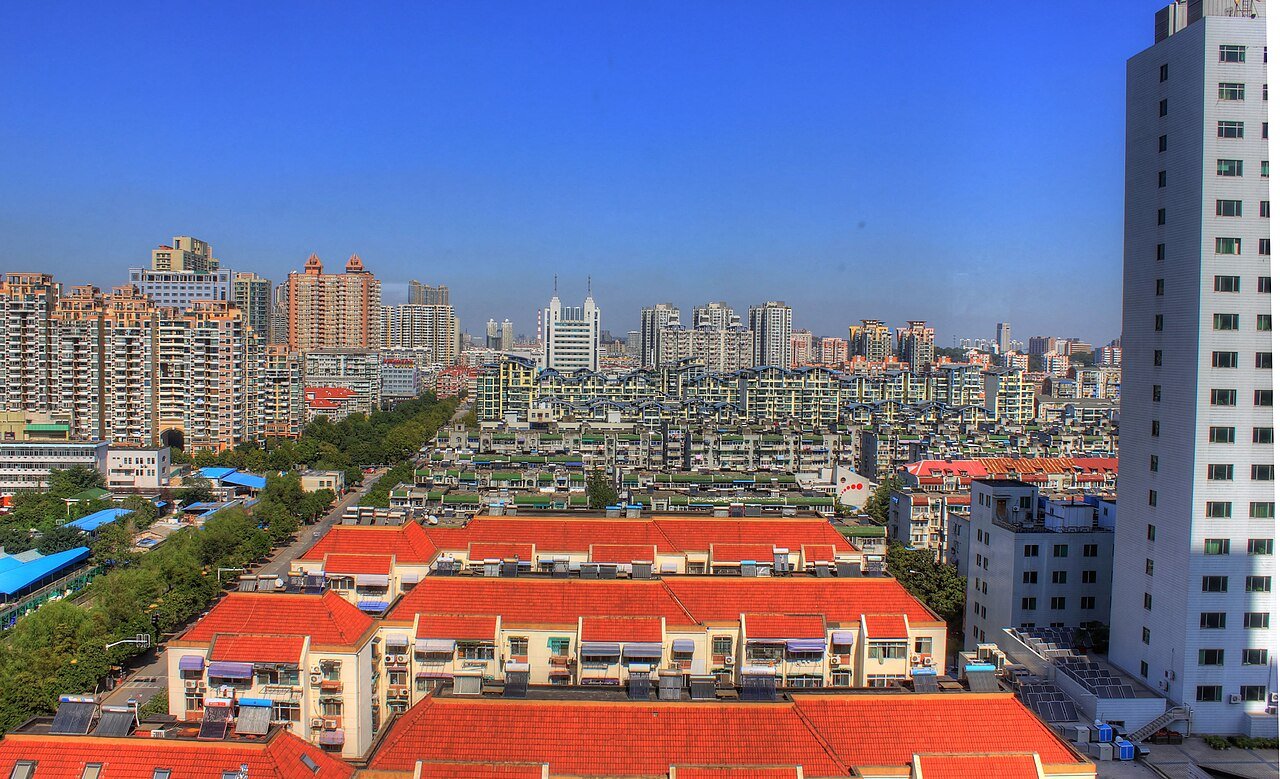
Jianye and Hexi is the area most visitors settle on — the western new district with modern hotels. It suits a stay where the clinical days matter more than the sightseeing, and the food options within a short walk are better than most visitors expect.
Consider Jiangning — a southern district with lower rates and more space. Rates soften the further out you go, and the metro keeps the hospital within a predictable fifteen minutes either way.
How to choose between them
- Confirm the hotel is licensed to take foreign guests before you arrive. Not every property in China is, and being turned away at the desk is a real risk.
- Choose a room on a middle floor, away from the lift and the road. It is the cheapest upgrade available and the one you will notice most.
The hospitals that shape where you stay
Accommodation choices follow the hospital, not the other way round. The facilities most international patients use in this area include the following, and the surrounding districts have grown up around them — which is why the nearby streets are full of the small hotels, pharmacies and congee shops that medical travelers rely on.
- Nanjing Drum Tower Hospital
- Jiangsu Provincial People’s Hospital
- Nanjing General Hospital
Most visitors here are not inpatients. They come for a health check, imaging, a specialist consultation or a review of results they already hold, and those are half-day commitments that leave the rest of the trip intact.
If you are still deciding whether to travel at all, our second medical opinion page explains how a remote review of your records works before you commit to the trip.
Hotel price bands in Nanjing
Three bands cover almost everything. Inexpensive chains sit near 200 to 350 RMB a night and are perfectly serviceable for a short stay. Mid-range hotels, roughly 350 to 600 RMB, add the things that matter after a procedure — a lift, a desk that speaks some English and a quiet corridor. Above 600 RMB you are paying for space and service rather than location, and a serviced apartment is usually the better value past a week.
These figures are indicative only — rates move with the season, the district and how full the city is, and the holiday weeks push everything up. Treat them as a way to frame a budget rather than a quote.
Booking a hotel in Nanjing with a foreign passport
Book through a platform that states foreign-guest acceptance in the listing, and enter the name from your passport character for character. Payment is usually taken on arrival, with a deposit held against incidentals and released at check-out; the release can take several days to show on an international card, so keep the receipt.
If your dates depend on a clinical schedule, say so when you book and ask for a rate that can be extended or shortened. Most hotels will hold a flexible rate; almost none will refund a prepaid one. It is also worth asking the hospital’s international desk whether it has an arrangement with a nearby property, because several do, and the rates are usually better than anything public.
If you are travelling specifically for treatment, our medical visa guide covers the paperwork side, including the appointment letter that makes both the border and the hotel check-in smoother.
The room features that matter
The four things worth specifying are a lift, a fridge, a shower you can step into and a quiet floor. Everything else is comfort rather than necessity. If you are on crutches or using a wheelchair, ask about the bathroom layout in writing and request photographs — it is the only way to know what you are getting.
Congee — rice porridge — is the standard recovery food across China and is available almost everywhere, including hospital cafeterias and the small shops around them. If you are keeping to a restricted diet, a room with a kitchenette or a serviced apartment makes that considerably easier over a week or more.
Booking the right number of nights
As a rough guide: one to two nights for a follow-up or collecting results, two to three for a consultation and basic tests, three to five if several departments are involved, and seven to fifteen if there is a procedure. Reserve the conservative number and ask for a rate you can extend.
Leave a buffer before your return flight in case a follow-up is recommended. A day of slack costs one night’s room and removes the possibility of rebooking an international ticket at short notice.
When to book and what it costs
Two calendars matter here: the weather and the public holidays. The comfortable months are the most expensive, and the national holiday weeks are the worst time to need a room or a train ticket. Book as early as you can once an appointment is confirmed.
March to May and September to November. Summers are hot and winters are cold and damp.
Eating near where you are staying
Huaiyang cooking is mild and delicate, and the hospital districts have reliable plain options. For recovery days, plain rice congee is the safest and most widely available option, and it is on the menu at almost every small restaurant and hospital cafeteria in the country.
Getting to your appointments in Nanjing
The metro network is extensive and reaches every district named here. For hospital trips, the metro is cheap and predictable, but a booked car is the difference between an ordinary morning and a stressful one on the days you are not at your best.
Save the hospital’s name in Chinese on your phone and show it to the driver rather than trying to explain it. It is the single most useful preparation a foreign patient can make, and it works at every hospital in the country.
Practical tips for your stay
These are the small things that make a medical stay run smoothly, and each one prevents a problem that is harder to fix once you are far from home.
- Plan the airport transfer for the discharge day in advance. Booking a car removes the one part of the trip that is genuinely hard to improvise when you are not well.
- Keep the appointment letter and your passport together at check-in. The desk registers you against the passport, and having both to hand speeds it up.
- Photograph the room and the bathroom on arrival. If anything about the access or the facilities is not what you were told, a photograph is what resolves the conversation.
- Ask the hospital’s international desk whether it has an arrangement with a nearby hotel — several do, and the rate is usually better than anything advertised.
Frequently asked questions about staying in Nanjing
How close to the hospital should I stay?
Within a fifteen-minute walk or a ten-minute ride is the practical target. Anything beyond about thirty minutes each way starts to cost you energy you would rather spend on recovery, particularly if you have several appointments across a week.
Can I book a hotel in China with a foreign passport?
Yes, but not every property is licensed to accept foreign guests. Confirm it in the listing or by message before you arrive, and enter your name exactly as it appears in your passport, because the desk registers you against the document.
What should I expect to pay?
Indicative ranges are roughly 200 to 350 RMB a night for a clean chain room, 350 to 600 for the comfortable mid-range, and 600 upward for international properties. Rates move with the season and the district, so treat these as a budgeting frame rather than a quote.
Should I book a hotel or a serviced apartment?
For stays up to about a week, a hotel is simpler. Beyond that, a serviced apartment usually costs less and gives you a kitchen and laundry, which makes a restricted diet and a longer recovery considerably easier to manage.
When is the best time to travel?
March to May and September to November. Summers are hot and winters are cold and damp. If your trip is tied to treatment, the clinical calendar decides the dates — build the stay around the recovery window rather than the other way round, and keep a buffer night before you fly home.
Planning care in China? Our comprehensive Medical Tourism in China guide covers visas, costs, top hospitals by city, language support, accommodation near hospitals, and insurance.
Scope and next steps
This guide is general travel and accommodation information for international visitors and is not a substitute for advice from a qualified physician. Hotel rates, availability and licensing change, and the details above are pointers to help you plan — confirm the current situation with the property before you book. Nothing here is a guarantee of availability or a recommendation for a specific treatment.
Written by the care-coordination team at Healthcare Hub China, a service that helps foreign patients access hospitals, translation and logistics across the country. Read our medical disclaimer for the limits of what this site covers and our editorial policy for how we source and review medical information.