Yangzhou Travel and Medical Guide for International Visitors
There is a quiet logic to combining treatment and travel in Yangzhou. The city is already a draw for its east china, and its medical infrastructure means a visitor can schedule a consultation, a scan or a second opinion without putting the holiday on hold. Below is a practical, on-the-ground guide written for international patients.
From our care-coordinator’s notebook: Yangzhou is the home of Huaiyang cuisine and slow garden life — a restorative stop for visitors preferring calm to crowds.
What to see in Yangzhou
Yangzhou is a destination best understood on foot, through its individual sights rather than a single headline landmark. The places below are the ones international visitors consistently rate highest, and each is reachable on a normal day’s loop.
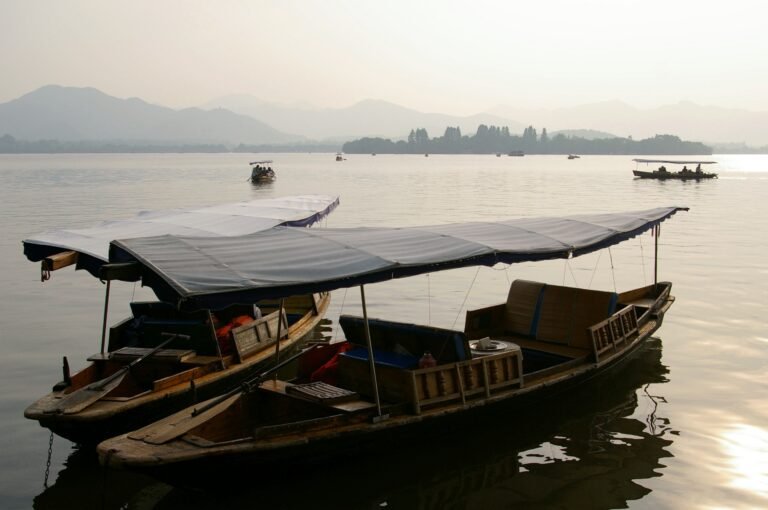
Start with The Slender West Lake — a willow-lined canal narrower and more intimate than Hangzhou’s lake. What makes it worth the trip is the pace: you can take it in over an unhurried hour rather than racing through a checklist.
Geyuan Garden is the one most visitors remember — a Qing garden built around bamboo and rockery. Go early if you can — the light is kinder and the crowds thinner, and a quiet site is easier to enjoy if you are travelling in the days after a procedure.
Don’t skip Dongguan Street — a restored old street of lacquer and embroidery shops. It rewards a slow walk more than a quick photo stop, which suits a medical traveler who wants gentle, low-effort days.
Make time for The Daming Temple — a hillside temple with a ninth-story pagoda. A local guide or the on-site signs will tell you the story behind it, and that context is half the pleasure.
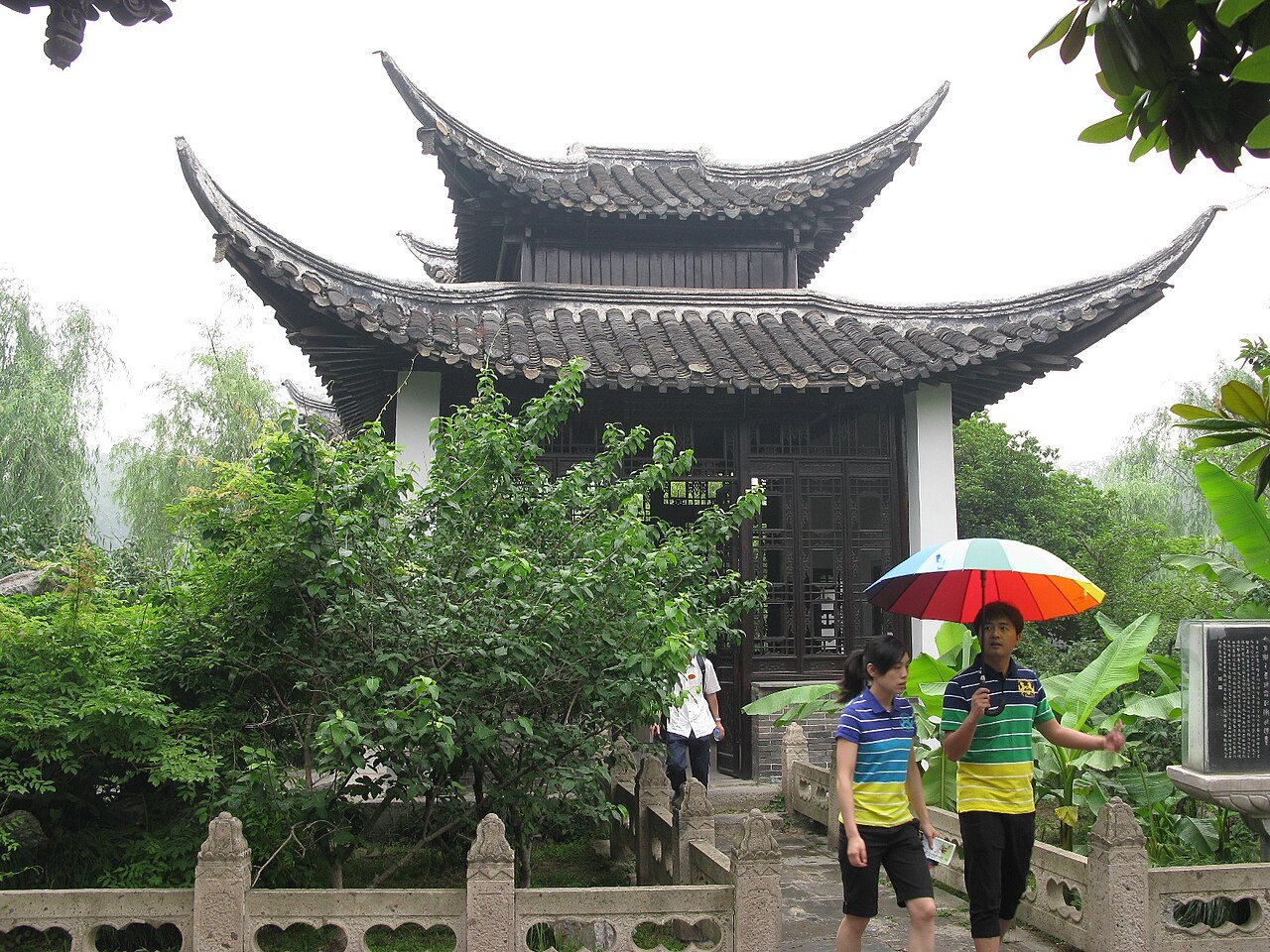
He Garden rounds out the visit — a late-Qing garden blending Chinese and Western detail. Pair it with a nearby cafe or tea house and you have a natural, restorative break built into the day.
Getting the most from the sights
- Mornings belong to the photographers and the tour groups; an after-lunch arrival often means a calmer site.
- Carry a refillable bottle and some small cash — village stalls and temple donations rarely take cards.
Medical care in Yangzhou
One of the reasons Yangzhou works as a medical-tourism base is that it is not a medical desert with a pretty backdrop — it has real hospitals. Visitors typically use the city for a health check, a specialist consultation, imaging, or a second medical opinion before committing to a plan elsewhere.
The practical case for Yangzhou is straightforward: it is a real city destination with functioning hospitals, not a resort bolted onto a clinic. That means you keep your own itinerary and slot the medical part into a single morning, then disappear back into the trip.
The facilities international patients rely on include:
- Yangzhou First People’s Hospital
- Subei People’s Hospital
What to eat in Yangzhou
Food is half the reason to travel in China, and Yangzhou is no exception. A few things worth seeking out:
- yangzhou fried rice
- huaiyang lion’s head meatball
- steamed buns
If you have dietary restrictions tied to a treatment, carry a short note in Chinese (or use a medical translation service explaining what to avoid) — most restaurants are happy to adapt a dish once they understand, and the best ones will walk you through exactly what is in a sauce.
Getting to and around Yangzhou
High-speed rail from Nanjing and Shanghai; no major international airport (use Nanjing or Shanghai). For day-to-day movement, ride-hailing apps and the metro (where present) are cheap and reliable, and your hotel can usually print the destination in Chinese to show the driver.
If you are traveling for treatment, ask the hospital’s international desk about airport pickup or a wheelchair-friendly transfer — several of the larger ones offer it, and it removes a real source of stress on arrival. Book the transfer for the same window as your discharge so you are not negotiating a curb in a hurry.
When to visit Yangzhou
March–May for peony and; September–November is crisp. Crowds follow the weather, so the shoulder months are often the sweet spot: you get decent conditions without the holiday-week crush that clogs the popular sites. If your trip is tied to a procedure, your doctor’s timeline matters more than the forecast — build the holiday around the recovery window rather than the other way round, and keep a light buffer before your return flight in case a follow-up is recommended.
Arranging care before you fly
A combined trip is easier than it sounds if you line up the medical side first. The sequence below is what our coordinators use with international patients, and it removes most of the uncertainty before you land. The first box to tick is the visa one: our medical visa guide explains which categories cover a consultation and what to bring to the appointment.
- Decide the clinical goal. A check-up, a second opinion, imaging, or a planned procedure each needs a different department, so name it before you contact anyone. If you are unsure where to start, a second opinion on existing reports is the lowest-commitment entry point and often clarifies the next step.
- Pick a hospital with an international desk. Larger public hospitals and the private international clinics in major cities assign English-speaking coordinators; smaller cities may need a translator arranged ahead. Ask specifically about appointment lead time and whether they accept foreign passports for registration, since the rules differ by facility.
- Send records in advance. Scans, pathology and prescription lists travel better as PDFs shared before arrival. A translation service can render them into Chinese so the doctor is not working from a cold start on the day, which shortens the visit and reduces the chance of a repeat test.
- Build the holiday around the recovery window. Book the sightseeing for the days when you will feel your best, keep the clinical morning light, and leave a buffer before your return flight in case a follow-up is recommended. Most visitors find that a calm first day and a relaxed final day make the whole trip feel less like an errand.
Practical tips for foreign patients
These are the small things that make a combined treatment-and-travel trip run smoothly in Yangzhou. None are complicated, but each one prevents a problem that is far harder to fix once you are far from home and away from your usual clinic.
- Save the international desk’s direct number in your phone before you need it; a single WhatsApp or WeChat contact on the ground resolves more problems than any guidebook can.
- Keep a day of total rest between any procedure and a long travel day; altitude, heat and long transfers compound fatigue faster than most visitors expect on a packed itinerary.
- Exchange a little cash on arrival; small clinics, temple stalls and rural guesthouses still prefer it over card or phone pay, and an ATM at the airport is the easiest first stop.
- Download an offline map and a translation app before you arrive — signal is fine in the cities but drops out at rural sites and on mountain roads, where you will want both.
A 4-day plan for medical travelers
This is a template, not a prescription — adjust it around your appointment times and how you feel. The idea is to keep clinical commitments in the morning, when you are freshest, and let the afternoons stay light.
- Day 1 — Arrive and settle. Land, check in, and if you have a consultation booked, do it the same afternoon so the rest of the trip is yours. Otherwise, take a gentle walk near the hotel and reset from the flight before any early start.
- Day 2 — The clinical half. Morning scan or specialist visit, then an easy nearby sight in the late afternoon. Save your energy; this is not the day for a summit or a long market crawl.
- Day 3 — The headline sights. Do the must-sees from the list above at a relaxed pace, with a long lunch. If you are recovering, swap the strenuous option for a boat ride or a garden, and let a taxi cover the distances between sites.
- Day 4 — A deeper dive or a day trip. Use it for a second-tier sight or a nearby town from this guide, then a final check-up if needed before you fly. Keep the evening unhurried so you are rested for travel.
Frequently asked questions about Yangzhou
Is Yangzhou a realistic base for medical tourism?
Yes, for the right kind of care. The city has functioning hospitals and, in most cases, an international department; the practical limits are language and the availability of highly specialised procedures, which is where a second opinion and a cross-referral to a major hub such as Beijing or Shanghai come in. For check-ups, imaging, dentistry, ophthalmology and many elective procedures, it is a sensible and affordable option.
When is the best time to visit Yangzhou?
March–May for peony and; September–November is crisp. The shoulder seasons also mean shorter queues at the sights you came to see, and milder weather is kinder if you are travelling after a procedure. Always weigh the forecast against your doctor’s timeline — recovery comfort matters more than a blue-sky photo.
Do I need a visa, and does treatment affect it?
Most visitors need a Chinese visa; a medical visa or a standard tourist visa both work for elective care, and our separate guides walk through the paperwork. Bring printed appointment letters — they smooth things at the border and give the hospital a clear reason for your stay if asked.
How should I budget for a combined trip?
Treatment costs vary widely by hospital and procedure; health insurance for foreigners may cover part of it, but confirm directly with your provider before you travel. Sightseeing, food and local transport in Yangzhou are inexpensive by Western standards, so the medical line item is usually the one to plan around, with the holiday costing little on top.
Planning care in China? Our comprehensive Medical Tourism in China guide covers visas, costs, top hospitals by city, language support, accommodation near hospitals, and insurance.
Scope and next steps
This guide is general travel and medical-travel information for international visitors and is not a substitute for advice from a qualified physician. Hospital quality, costs and appointment procedures change, and the details above are pointers to help you plan — verify the current situation with the facility and your own doctor before booking. Nothing here is a guarantee of any outcome or a recommendation for a specific treatment.
Written by the care-coordination team at Healthcare Hub China, a service that helps foreign patients access hospitals, translation and logistics across the country. Read our medical disclaimer for the limits of what this site covers and our editorial policy for how we source and review medical information. If you want help stringing a Yangzhou itinerary together with a consultation, start with our medical visa guide and get in touch.